Four ways we serve
Everything we do begins in Alapalli and reaches outward — into classrooms without walls, into homes without a clinic nearby, into villages asking for their due.
Education, in the Real Sense
Every child is born able to learn. What a child comes to master depends on their own passion and interest, on how much exposure they receive to a subject and how often, and on how much freedom they are given. Conventional schooling, and the career-driven society around it, places limit after limit on that natural process — tests, grades, comparison, competition, certificates, rewards and punishments.
We want to give every child a safe and free environment to explore, inquire and learn the subjects, skills, arts and sports of their own choosing. We want to put the child at the centre, with control in their own hands.
Summer Camp 2025
10–25 May 2025 · Ages 6 to 14 · Alapalli
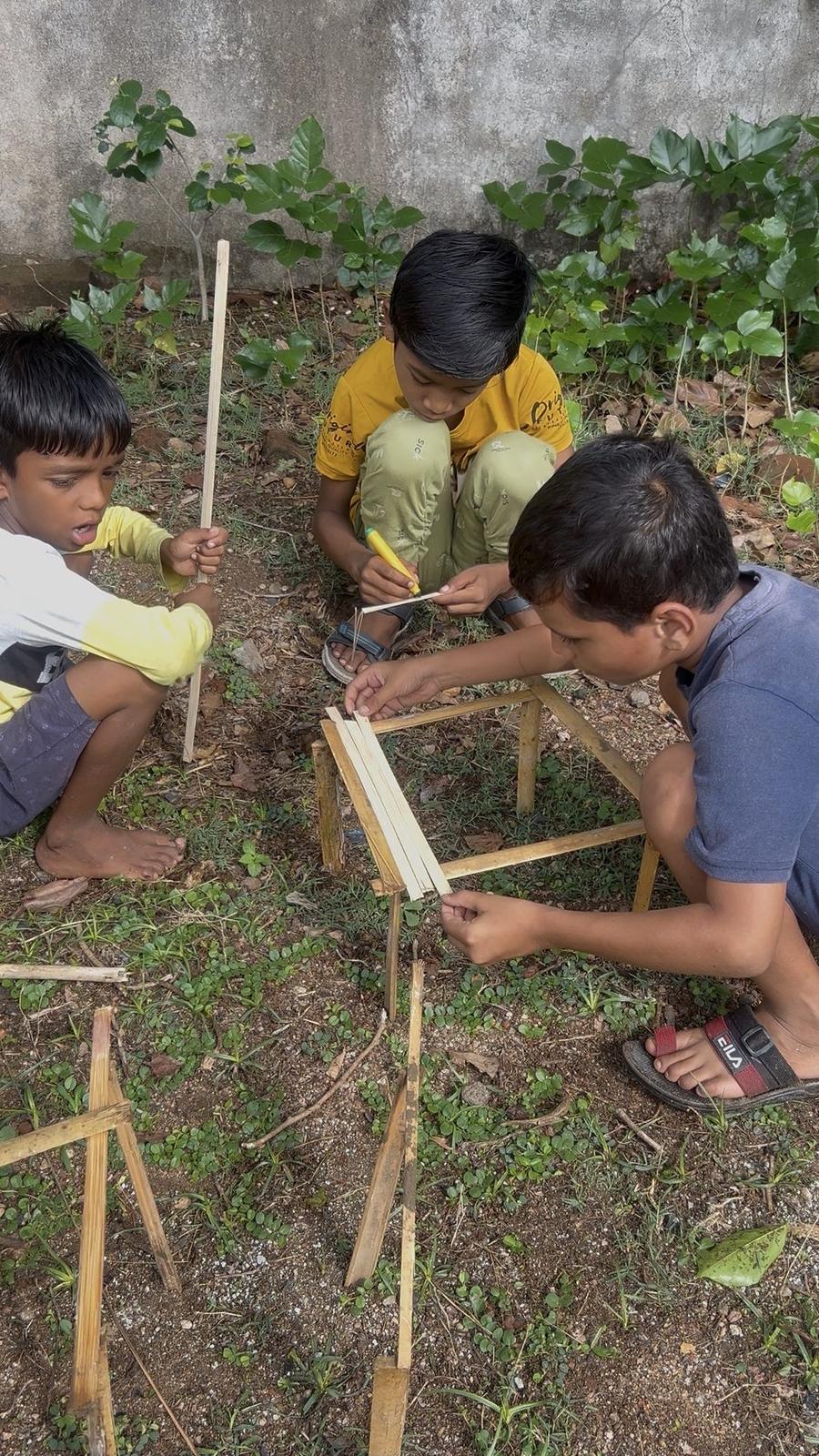
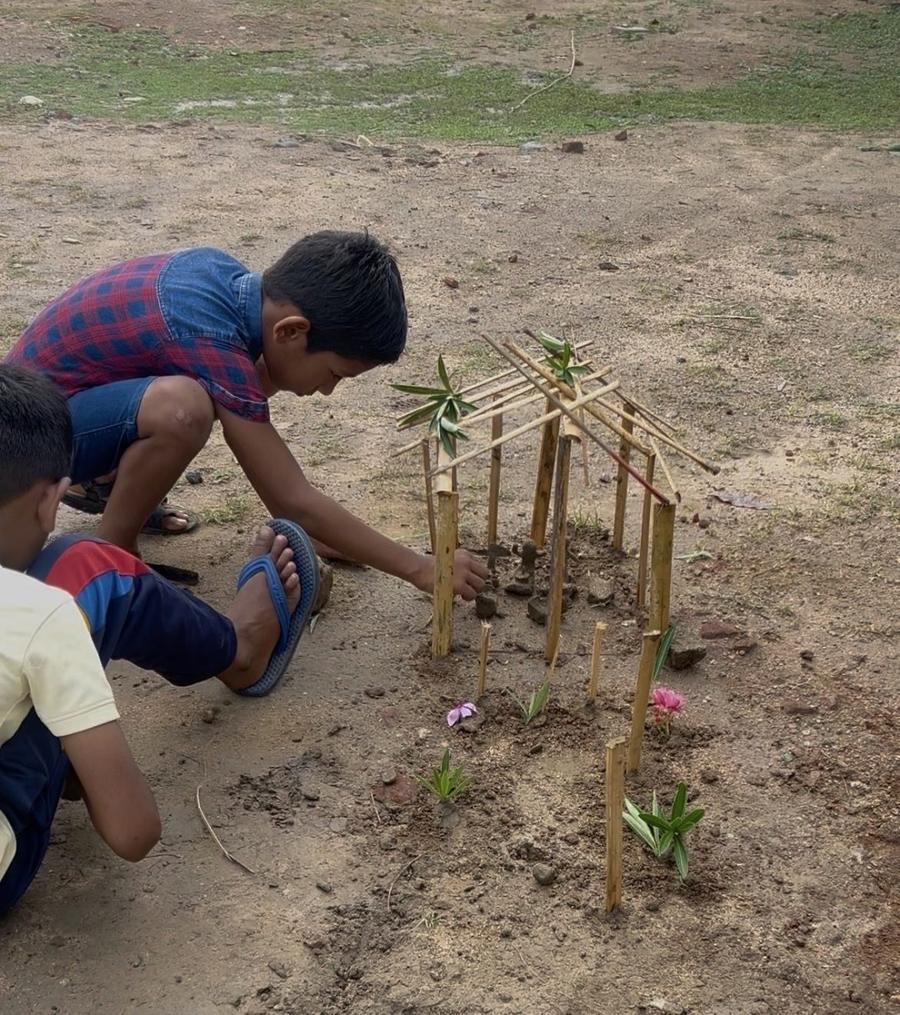
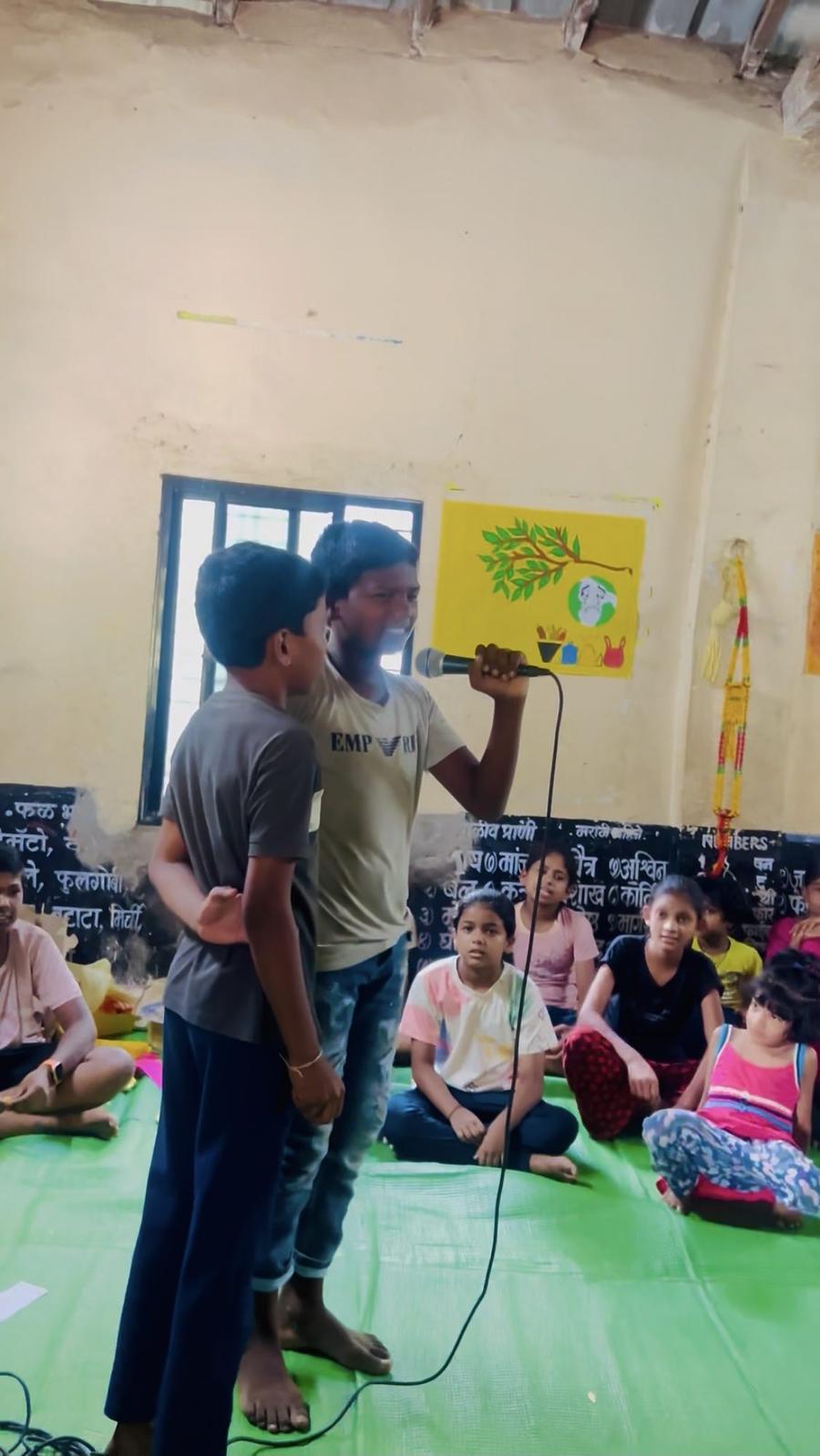
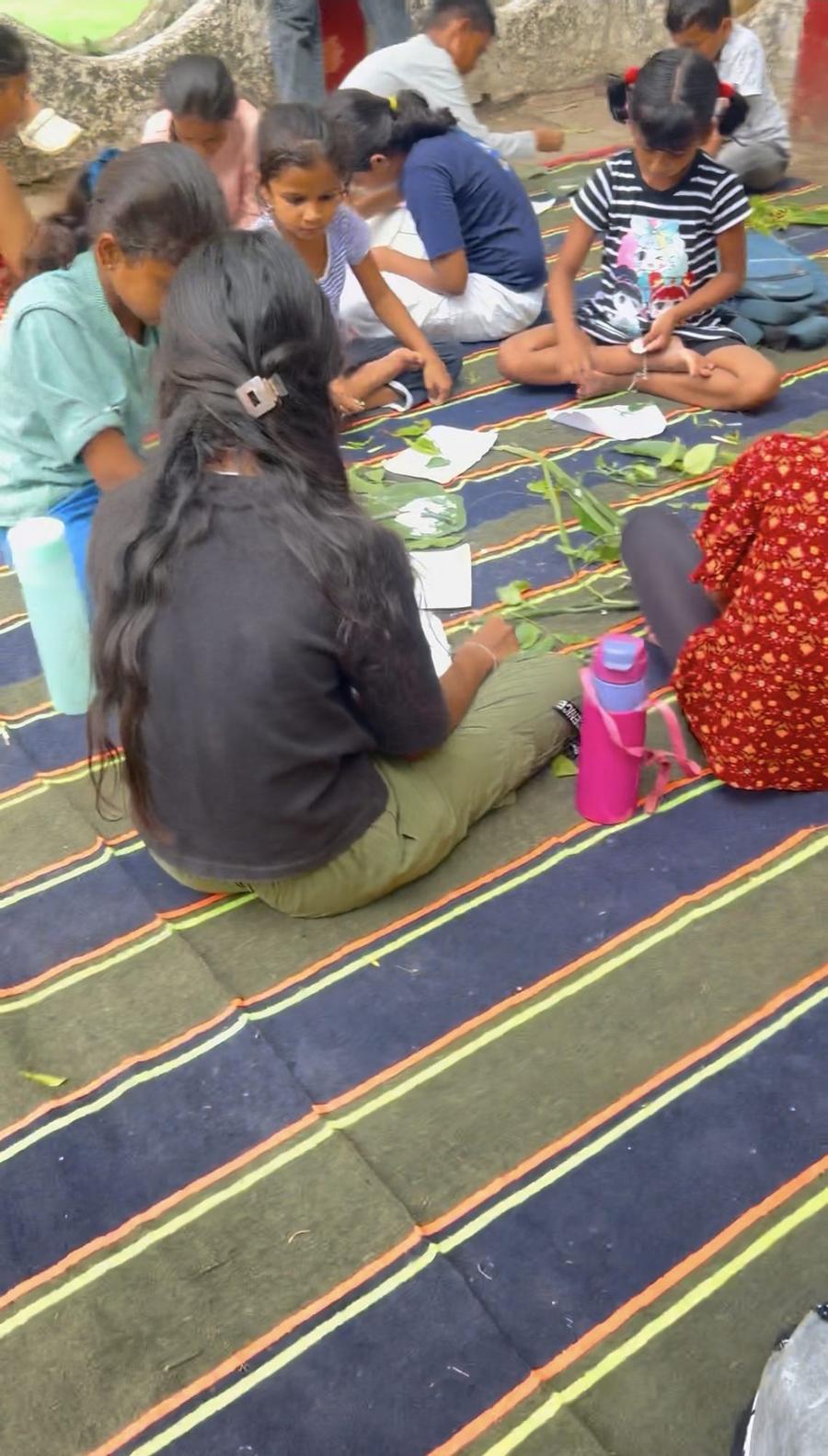
Our first summer camp gave children a free and interactive environment — full freedom and space to explore, experience and express. Over two weeks they tried arts, sports and self-improvement activities including meditation and karate. They learned ancient tribal arts — Warli painting and bamboo craft — took part in traditional tribal dance and lively debates, learned chess, and trained in karate and football with experts.
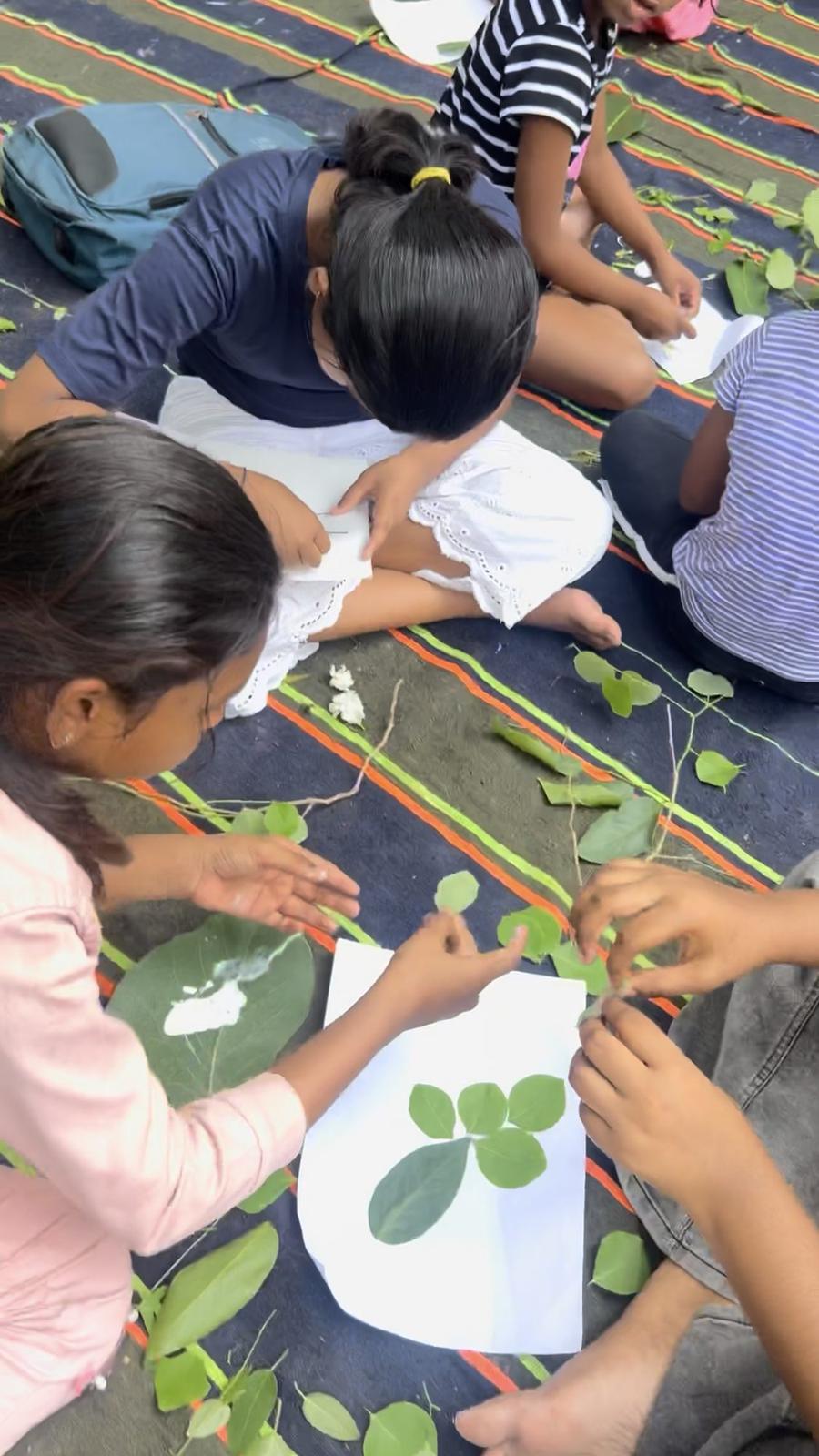
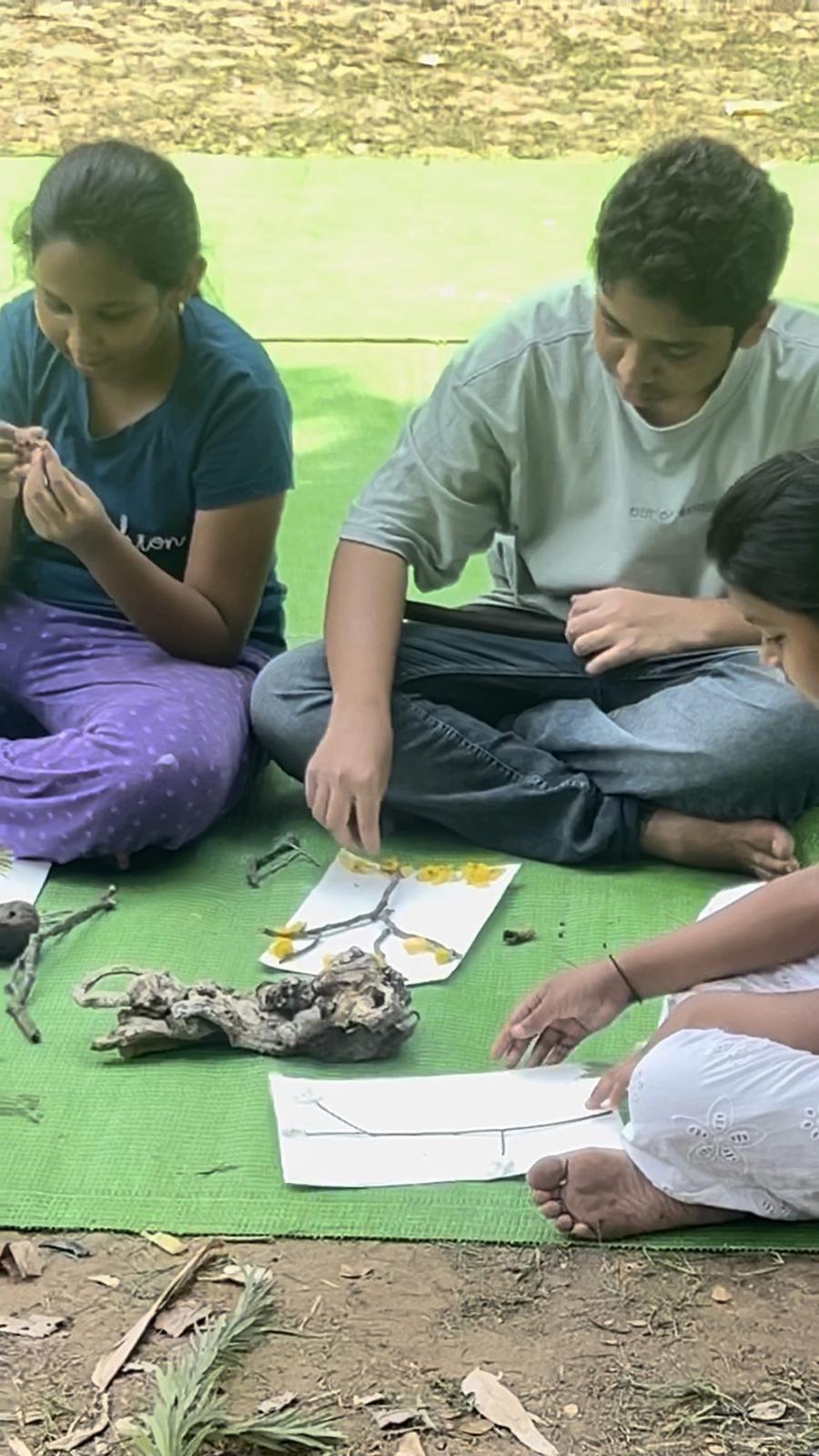
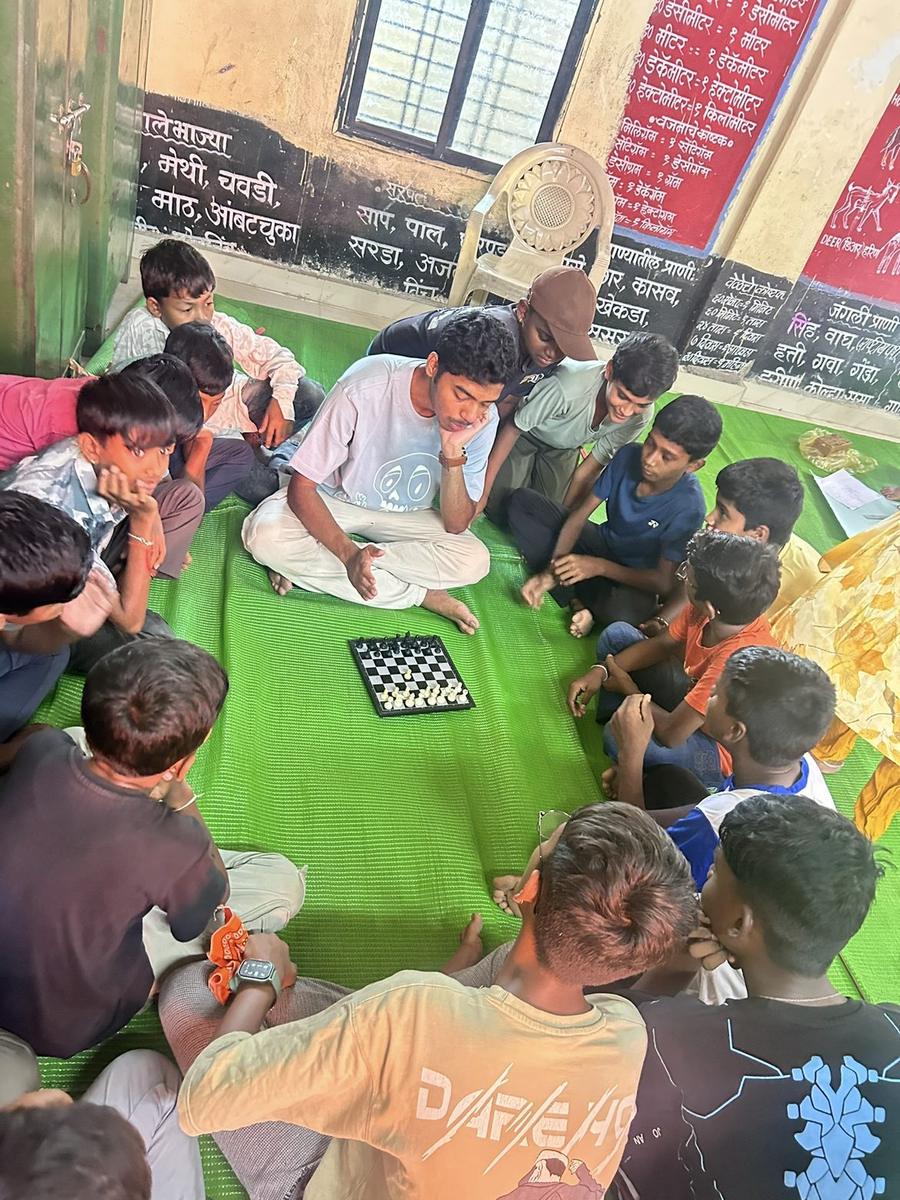
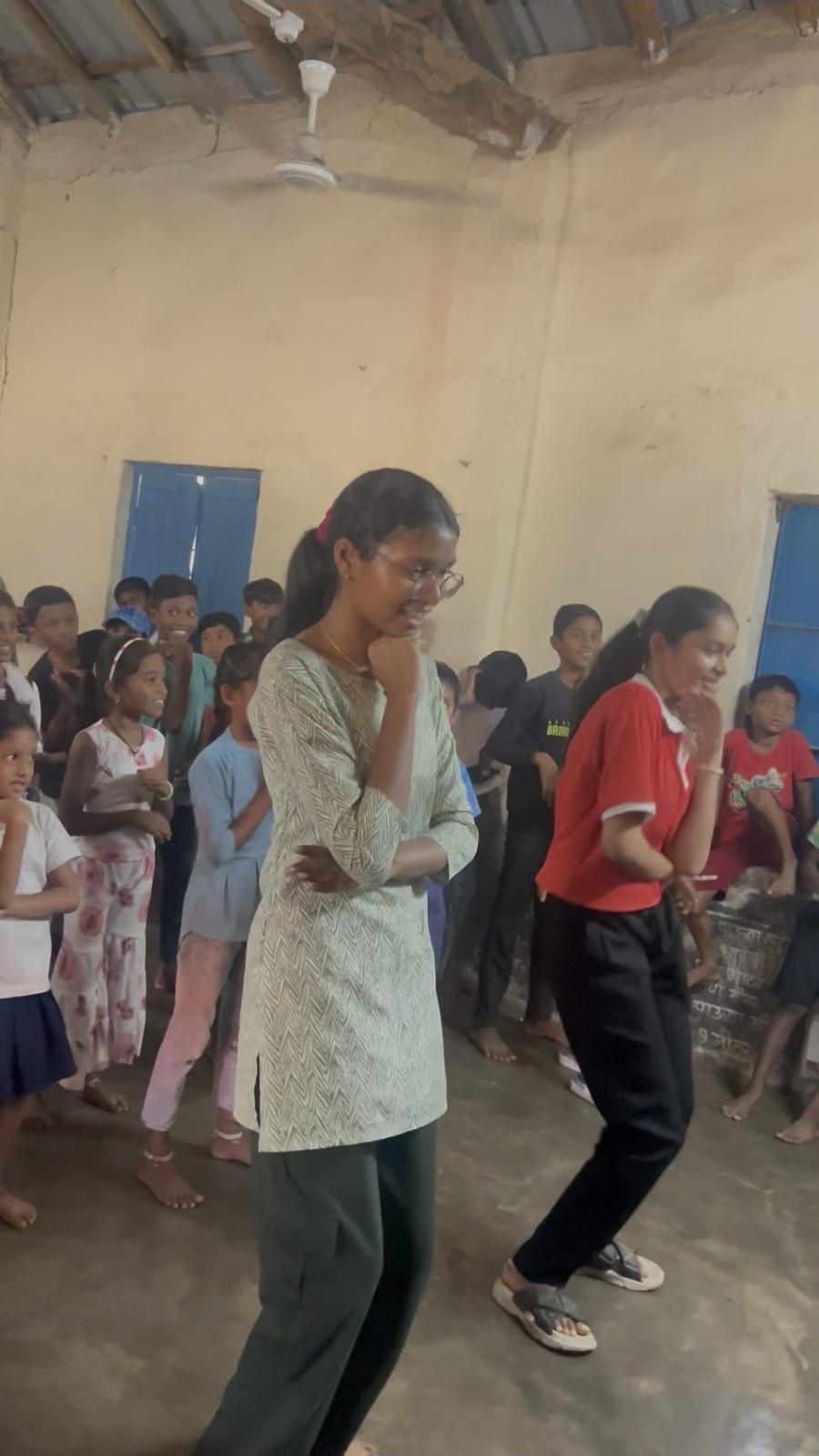
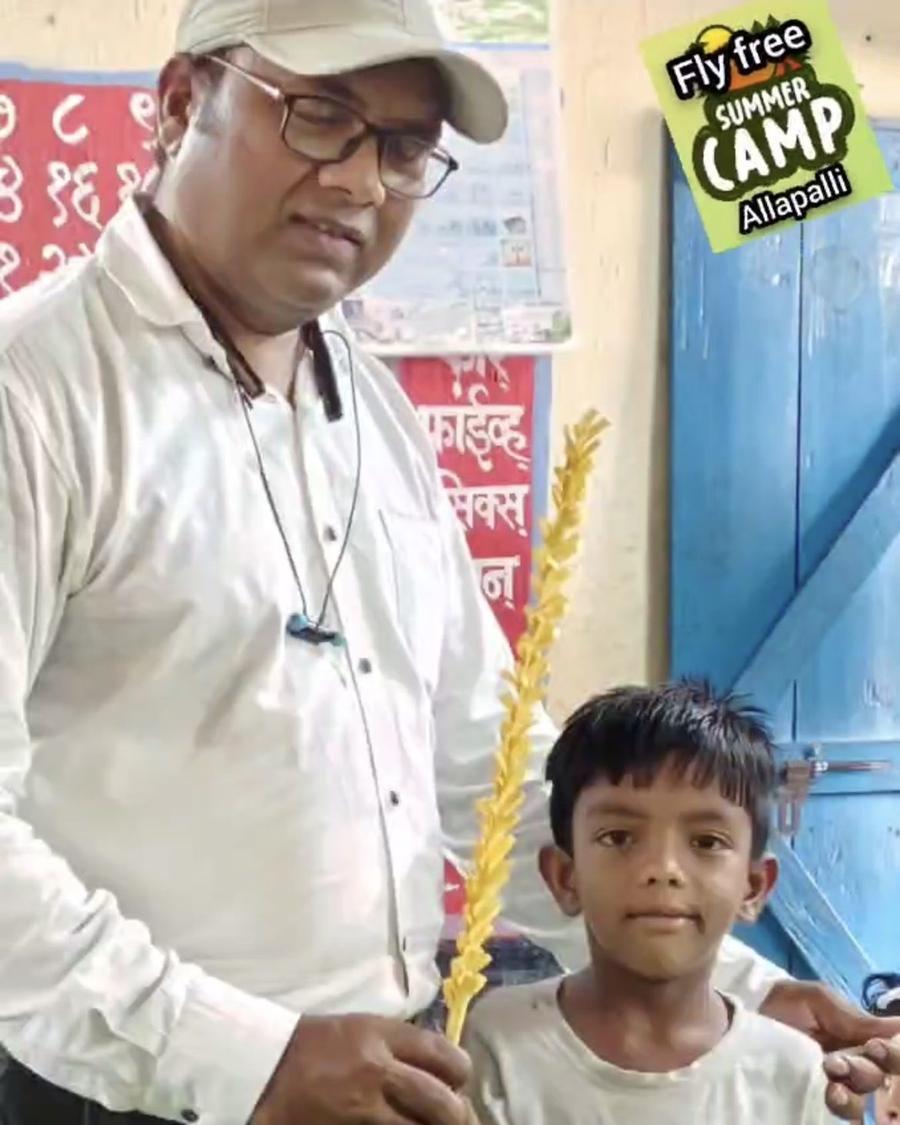
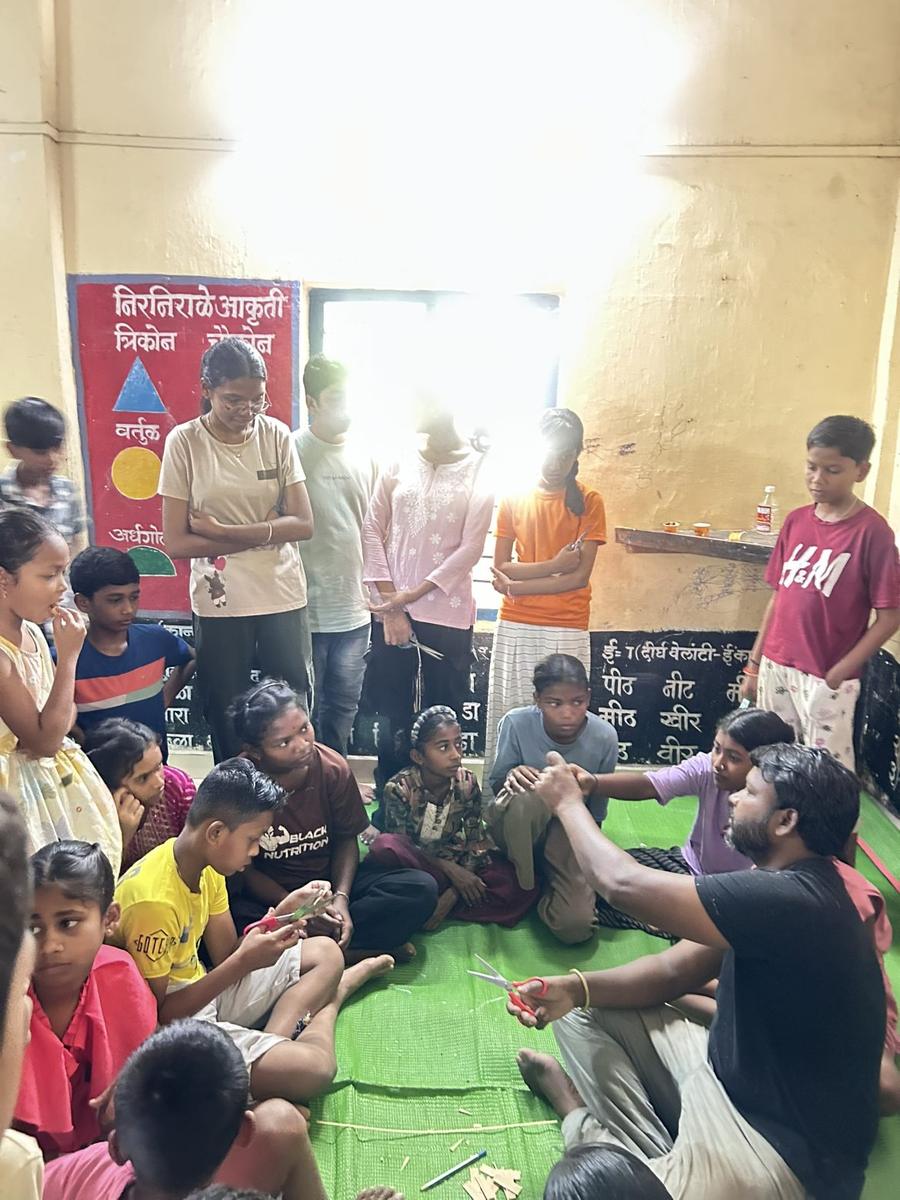
The Foundation grew out of a family's own experience. When our founders' sons began school, they met the same limits every parent meets — tests, grades, comparison — and after much research chose to educate their children at home. What they saw convinced them: a child given freedom, exposure and trust learns more, and more happily, than a child made to perform. That conviction is now the heart of our Education work.
We do not ask families to abandon school. We offer another path — and for those already walking it, or wondering whether they could, we offer company. Our learning space in Alapalli is open to any child, with or without a school. Below are the questions families ask us most often.
Questions families ask
Is homeschooling allowed in India?
Yes. The Right to Education Act (2009) places a duty on the State to provide schooling for every child between six and fourteen; it does not forbid parents from educating their children themselves, and the central education ministry has said as much. Thousands of Indian families homeschool today, and the National Institute of Open Schooling (NIOS), a board under the Government of India, exists precisely so that learners outside regular schools can earn recognised certificates.
How does a homeschooled child get a Class 10 or Class 12 certificate?
Through open schooling. NIOS offers a Secondary examination (equivalent to Class 10) and a Senior Secondary examination (equivalent to Class 12), both recognised across India for further study and employment. A learner registers directly, studies at their own pace, and sits the exams when ready. Maharashtra also runs its own open schooling board. Our founders' sons took this route; we help families understand it.
At what age can a child sit these exams?
NIOS asks for a minimum age — about fourteen for Secondary and fifteen for Senior Secondary at the time of admission — with no upper limit. For younger children, NIOS has an Open Basic Education programme with levels roughly matching Classes 3, 5 and 8. In practice, most homeschooling families do not rush: the exam is a door the child walks through when ready, not a finish line.
What about Marathi, Gondi and Madia? Does learning have to be in English?
No. Learning in a child's own language is not a disadvantage — it is the foundation. Our space works in whatever language the child brings. For certificates, NIOS offers Marathi as a language subject and allows exams in several Indian languages; we help families choose subjects and mediums that fit the child. Gondi and Madia have no exam board, but they have us: they are spoken, sung and respected here.
Will my child fall behind children in school?
Children do not learn in a straight line, and "behind" measures a race we have chosen not to run. A child who reads late but reads for love, or who learns arithmetic from the forest produce her family sells, is not behind — she is learning in the way that will stay. When a child wants to prepare for an exam, focused study of a year or two is usually enough; our founders saw this with their own sons.
What will my child do all day?
What children have always done when given room: explore, ask, make, play, help. A day might hold Warli painting, a football match, a chess game, a question about why the river changes colour, an hour with a grandmother who knows the names of every tree. We bring in people who know things — artists, doctors, farmers, karate teachers — and let interest do the rest. Reading, writing and numbers arrive inside all of this, not instead of it.
How will my child make friends?
At our space, in the village, in the summer camp, on the football ground. Children who learn outside school are rarely alone; they are simply with people of many ages instead of one. Many families find their children more at ease with adults and younger children than schooled children are.
I never went far in school myself. Can I still do this?
Yes. A parent's job is not to know everything; it is to notice what the child is curious about and to find the people and places that can feed it. That is what the Foundation is for. Several of the most capable learners we know have parents who never finished school.
Does it cost money?
Learning with the Foundation is free — no fee, no admission test, no age limit. If a family later chooses to register with NIOS, there is an examination fee of a few thousand rupees per level, with concessions for Scheduled Tribe learners and for girls; we help families with the forms.
How do we begin?
Come and see. Bring your child to Alapalli on any day we are open, or write to us. There is nothing to sign and nothing to prove. If your child is curious, that is enough.
Books and heroes for schools
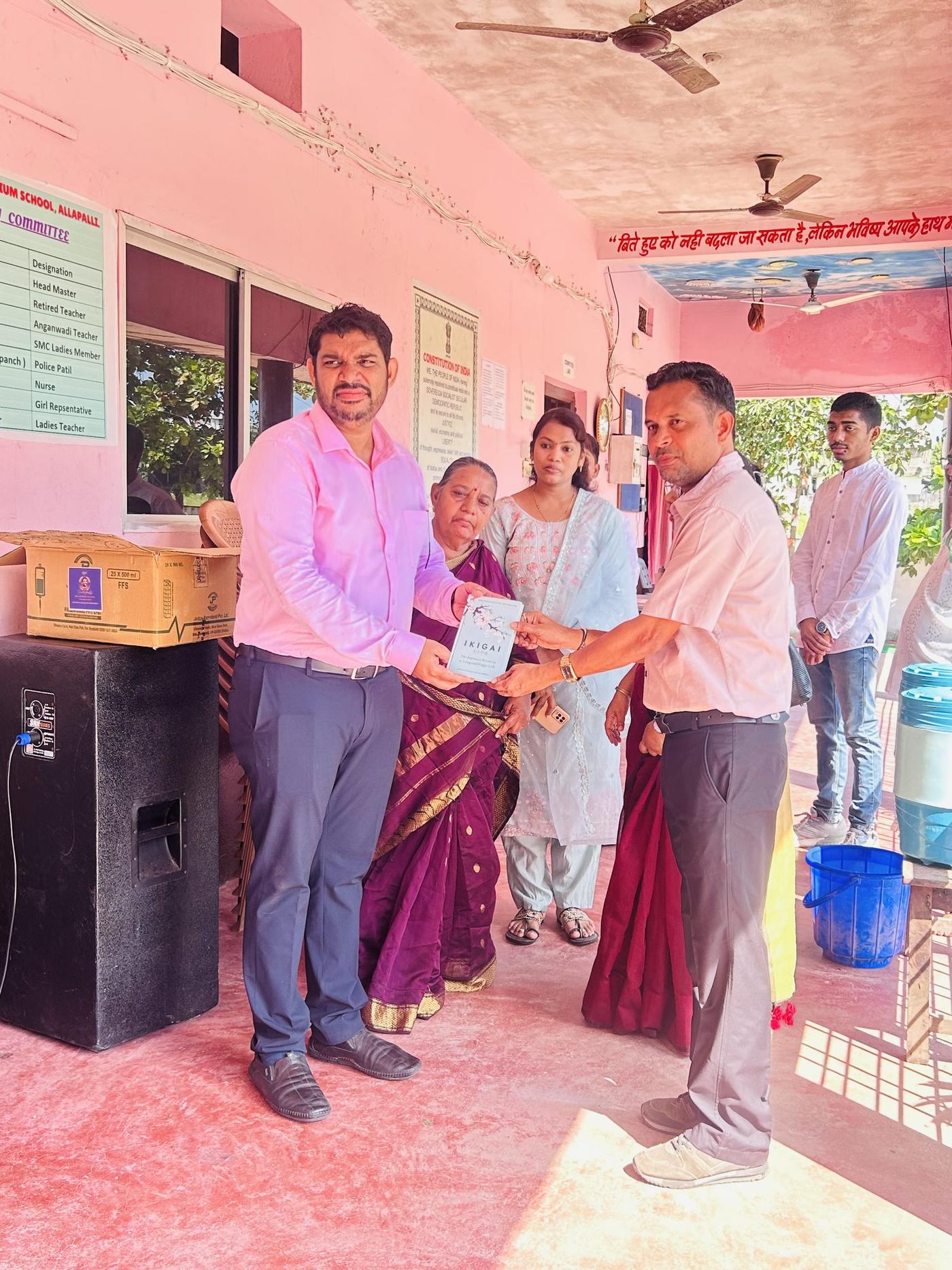
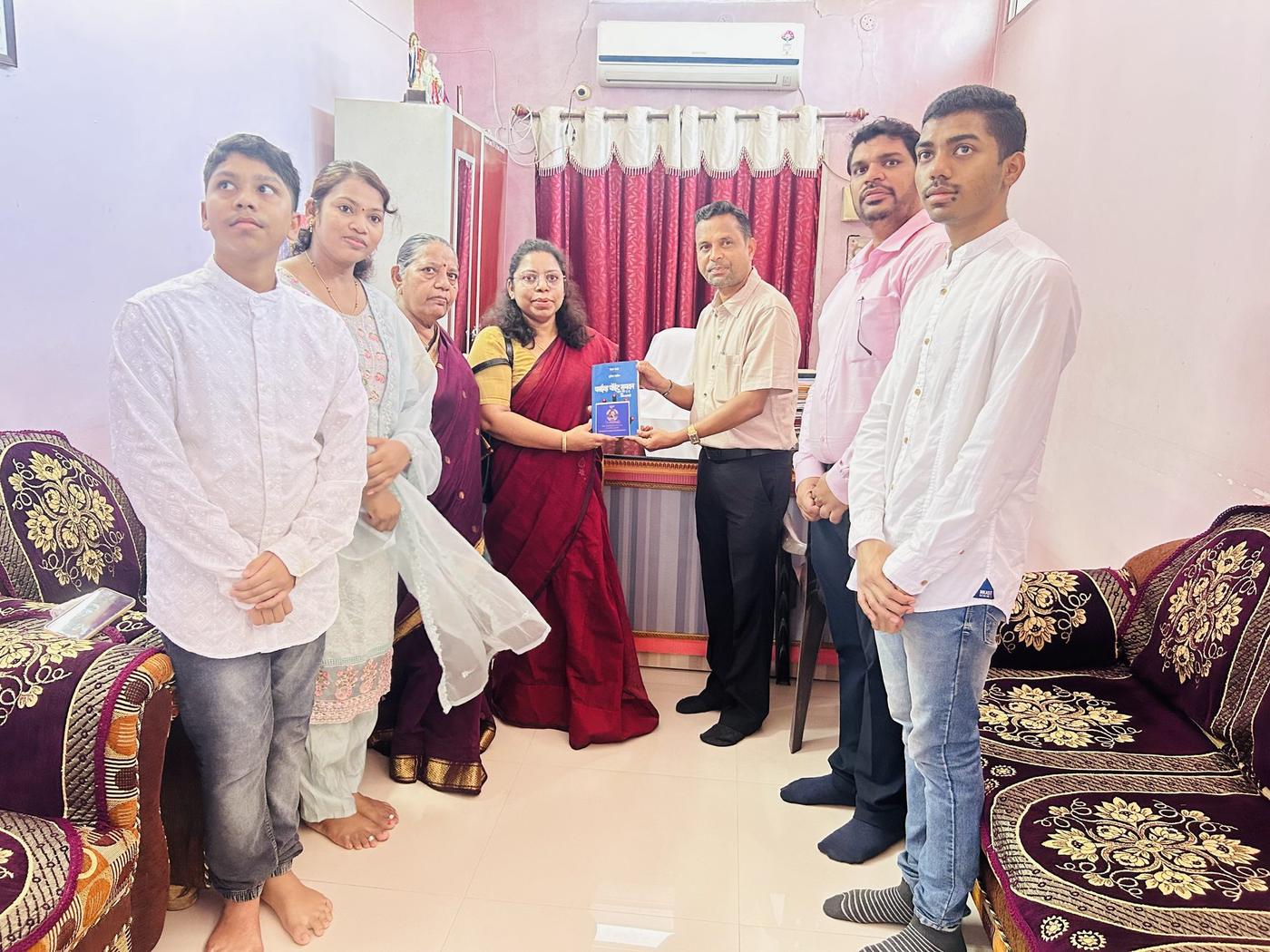
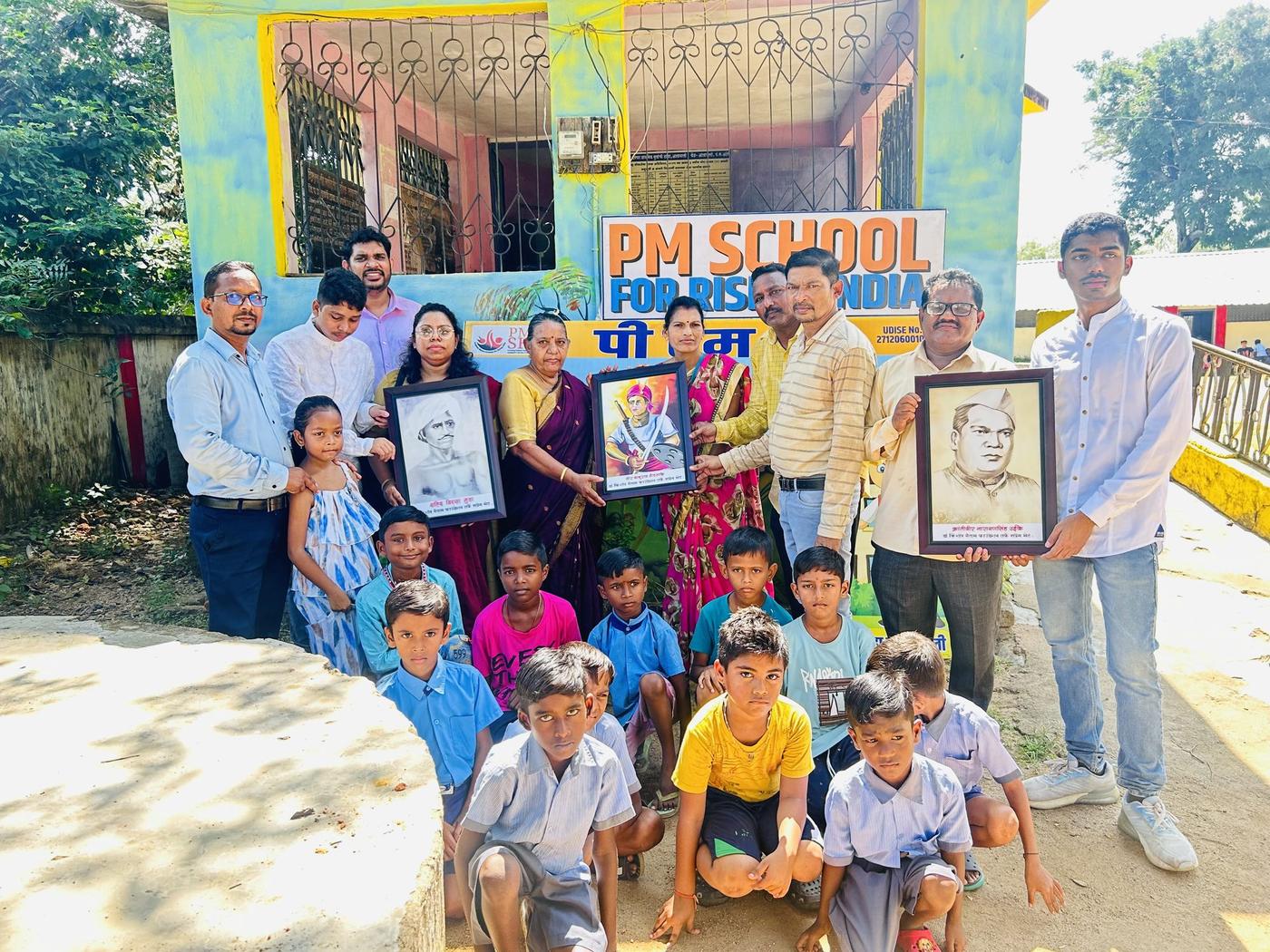
KNF distributes books — Marathi and English, from biographies to world classics — and framed portraits of the heroes of tribal history to village schools around Alapalli, so children meet stories, and heroes, of their own.
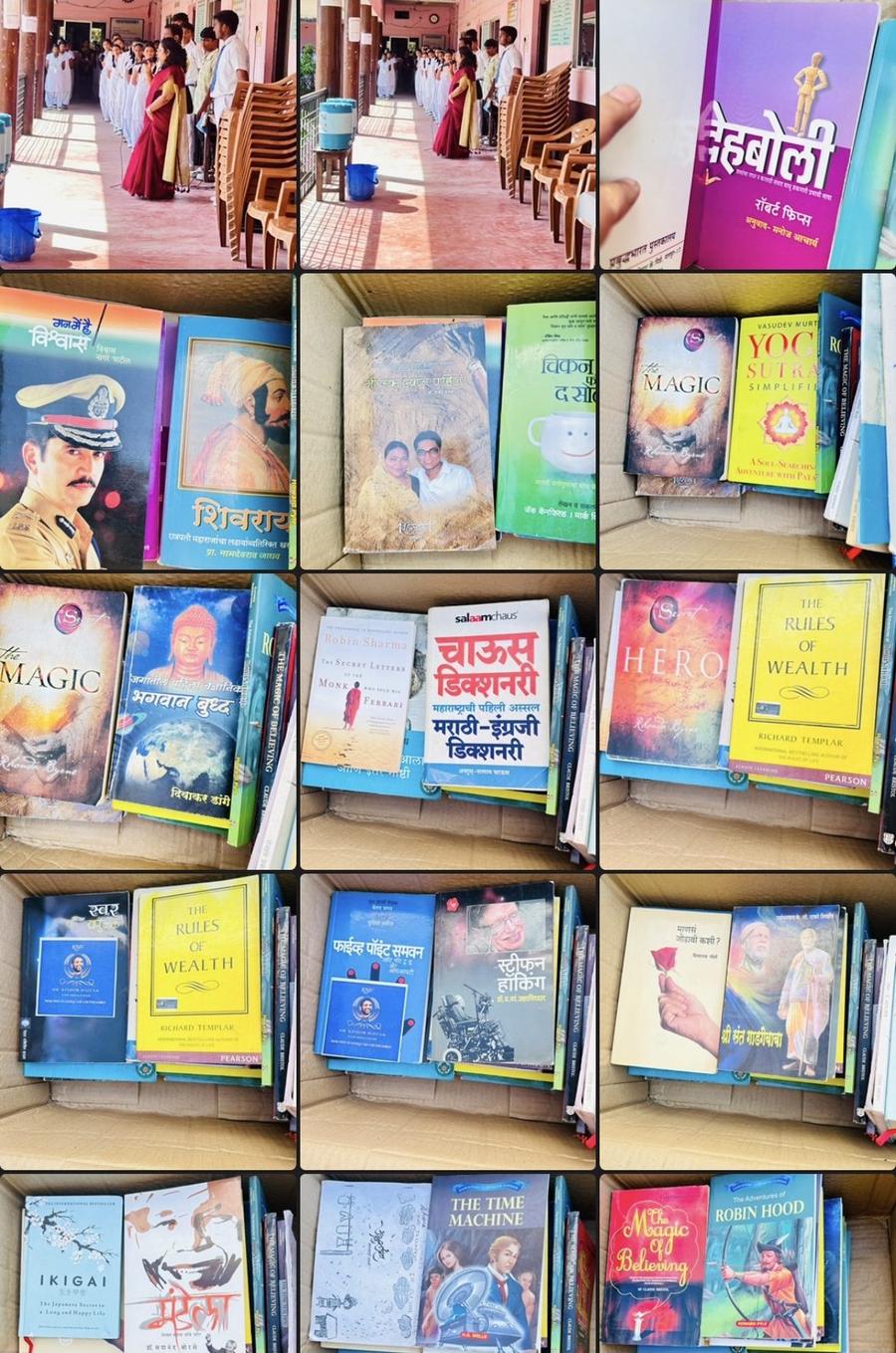
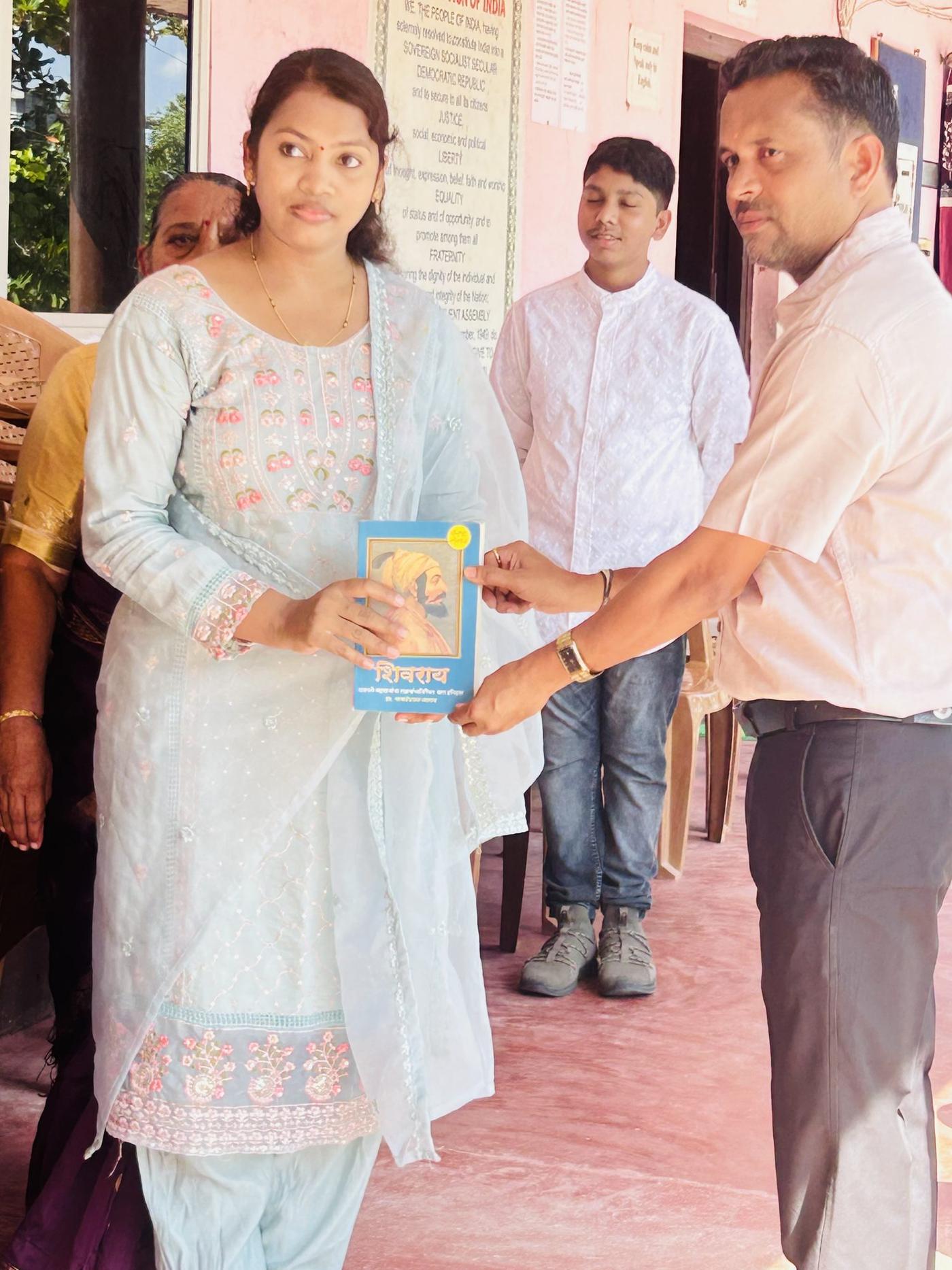
General-knowledge competitions
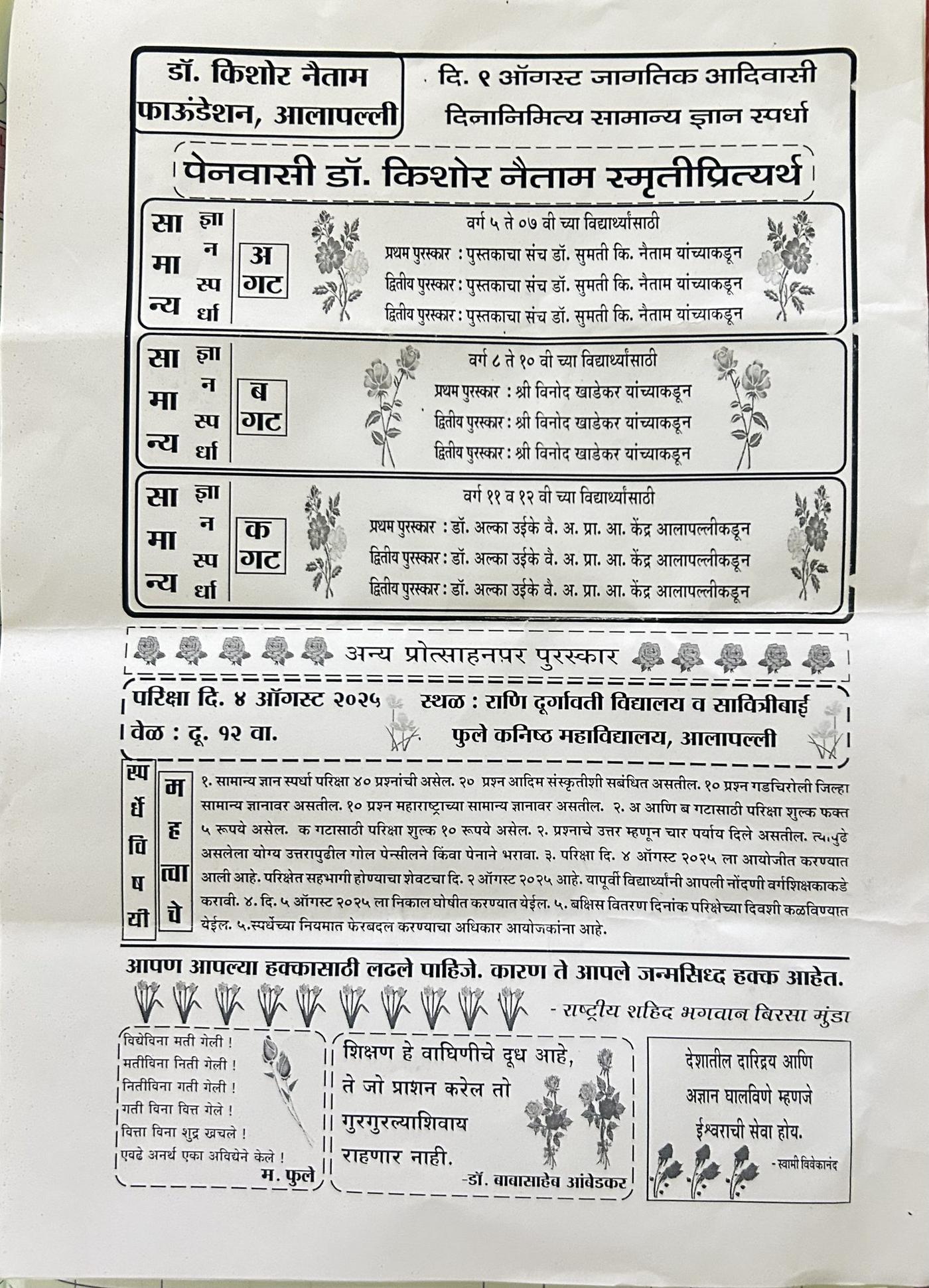
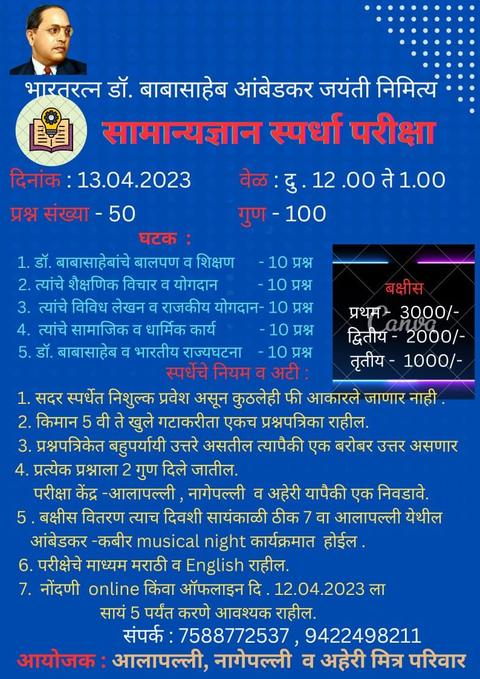
On days that matter here — World Indigenous Peoples' Day, Ambedkar Jayanti — the Foundation conducts general-knowledge competitions for students from class 5 to 12, in Dr. Kishor's memory. The questions are rooted close to home: indigenous culture, Gadchiroli, Maharashtra. The prizes are sets of books.
Healthcare at the Doorstep
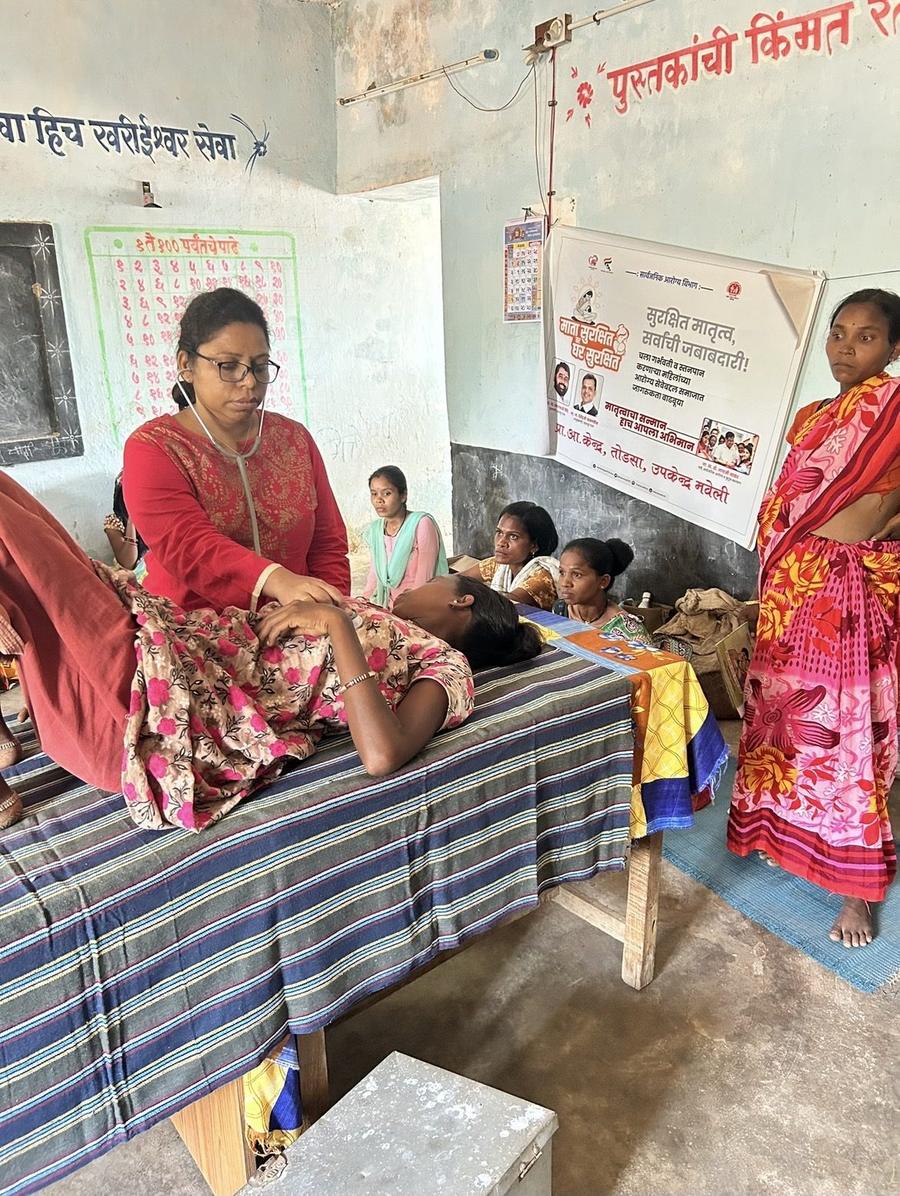
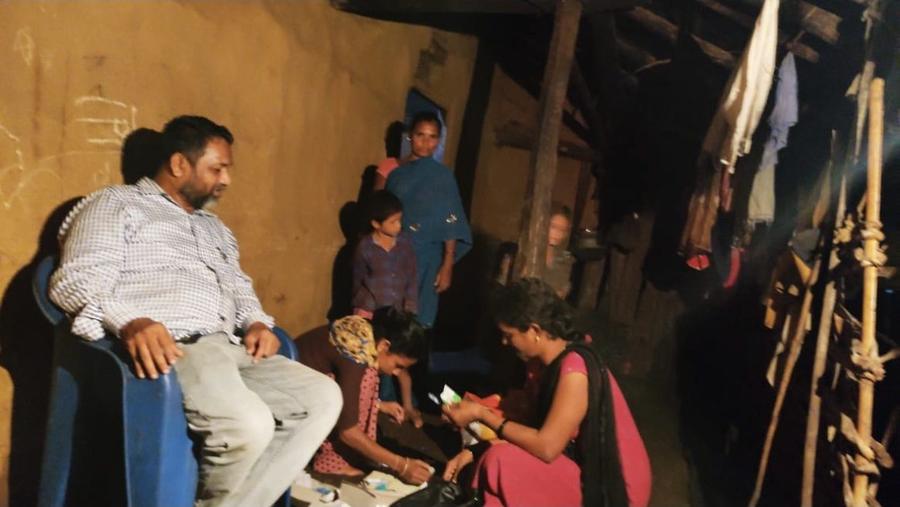
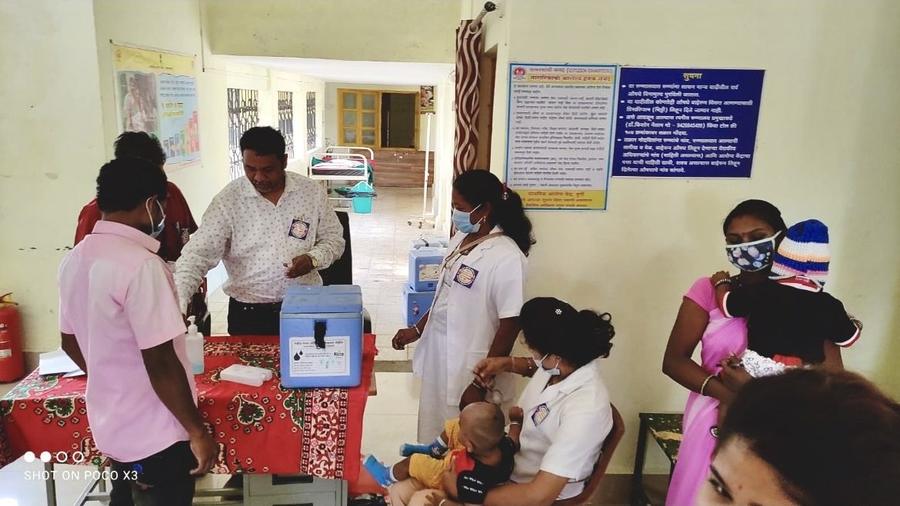
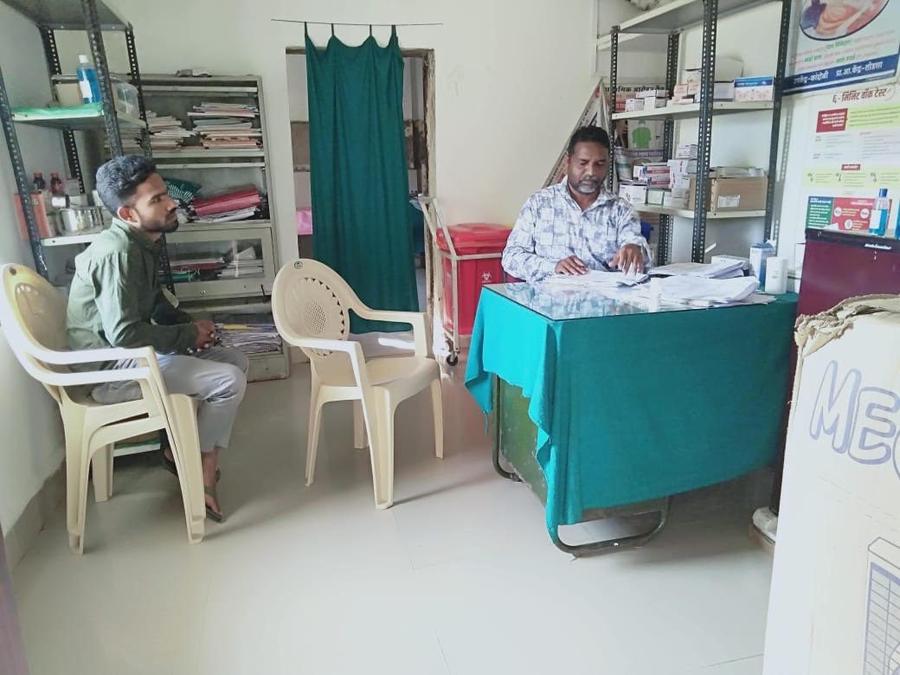
Indigenous families in remote areas live with too few health facilities and too little health awareness. We are determined to bring them the best care we can — and expert medical advice and guidance — through mobile clinic services that reach directly to their homes.
Diagnosis and blood-testing camp
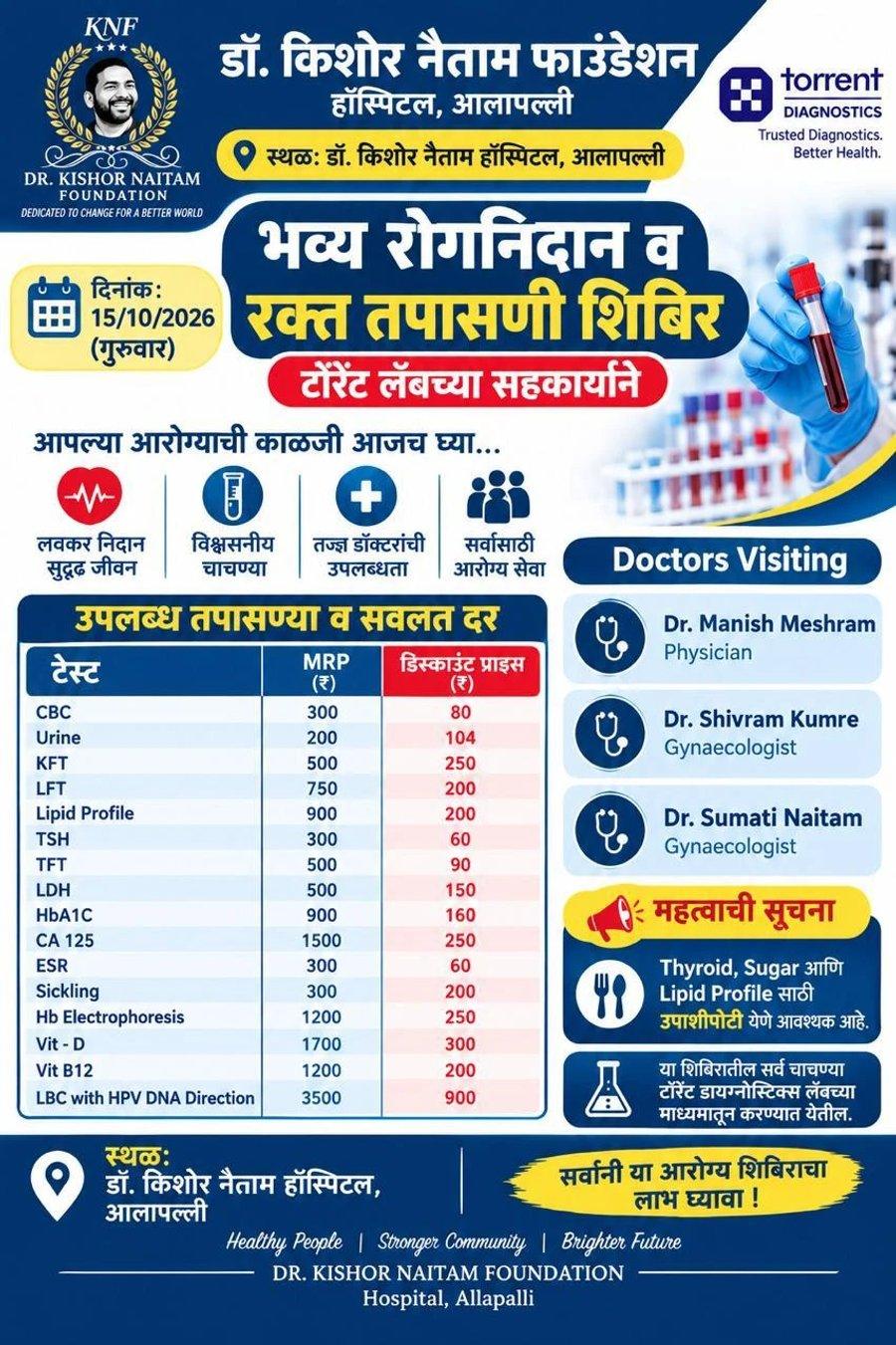
15 October 2026 · Dr. Kishor Naitam Hospital, Alapalli
On the third anniversary of Dr. Kishor's passing — the day the Foundation was founded — Dr. Kishor Naitam Hospital in Alapalli held a diagnosis and blood-testing camp in collaboration with Torrent Diagnostics: reliable tests at a fraction of their usual rates, a CBC for ₹80 instead of ₹300, a full lipid profile for ₹200 instead of ₹900, open to all. More than a hundred people came.
Dr. Manish Meshram (physician), Dr. Shivram Kumre and Dr. Sumati Naitam (gynaecologists) examined visitors alongside Dr. Kumbhare, Dr. Shekh and Dr. Laiskar, and spoke with each about timely diagnosis and regular check-ups. Every test was processed through Torrent Diagnostics' laboratory — the flyer carries the full list.
Health camps
Rights of Indigenous Villages
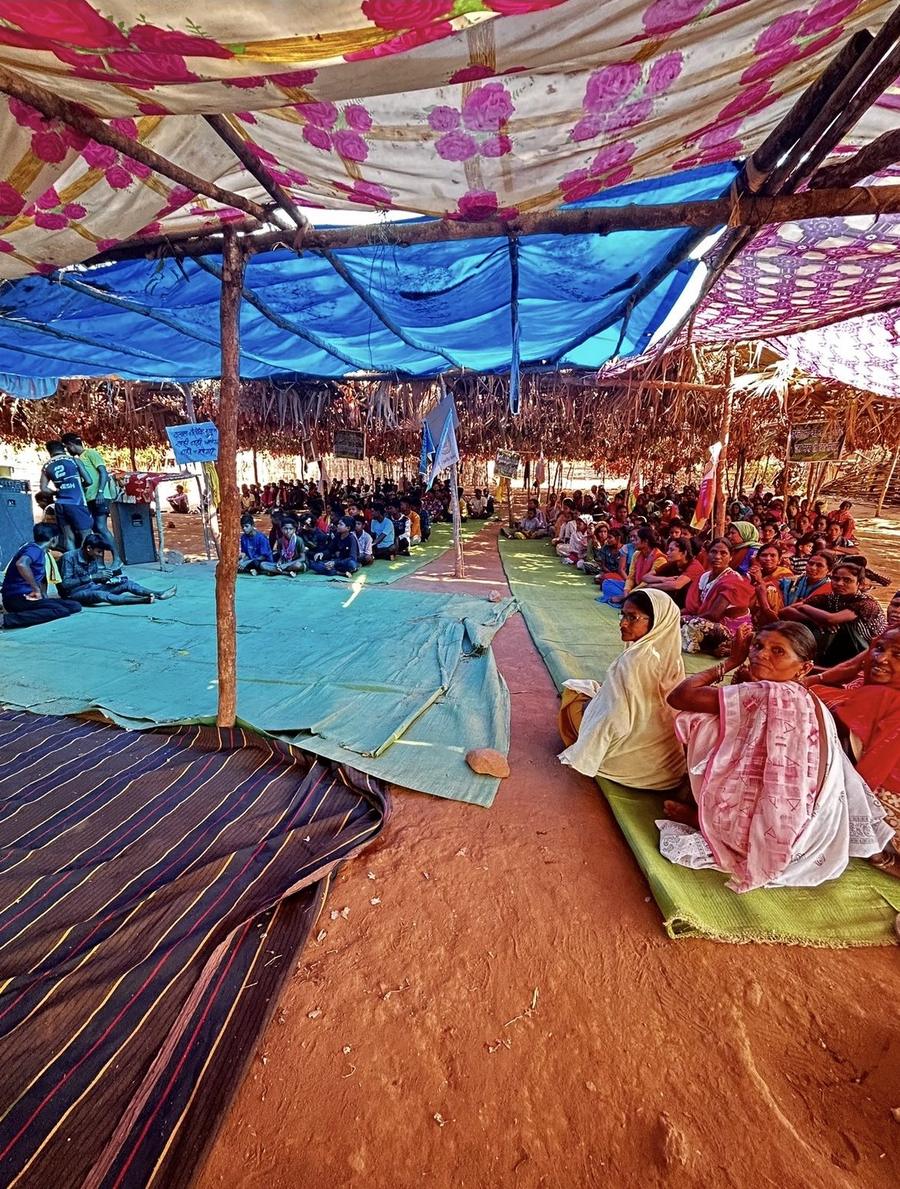
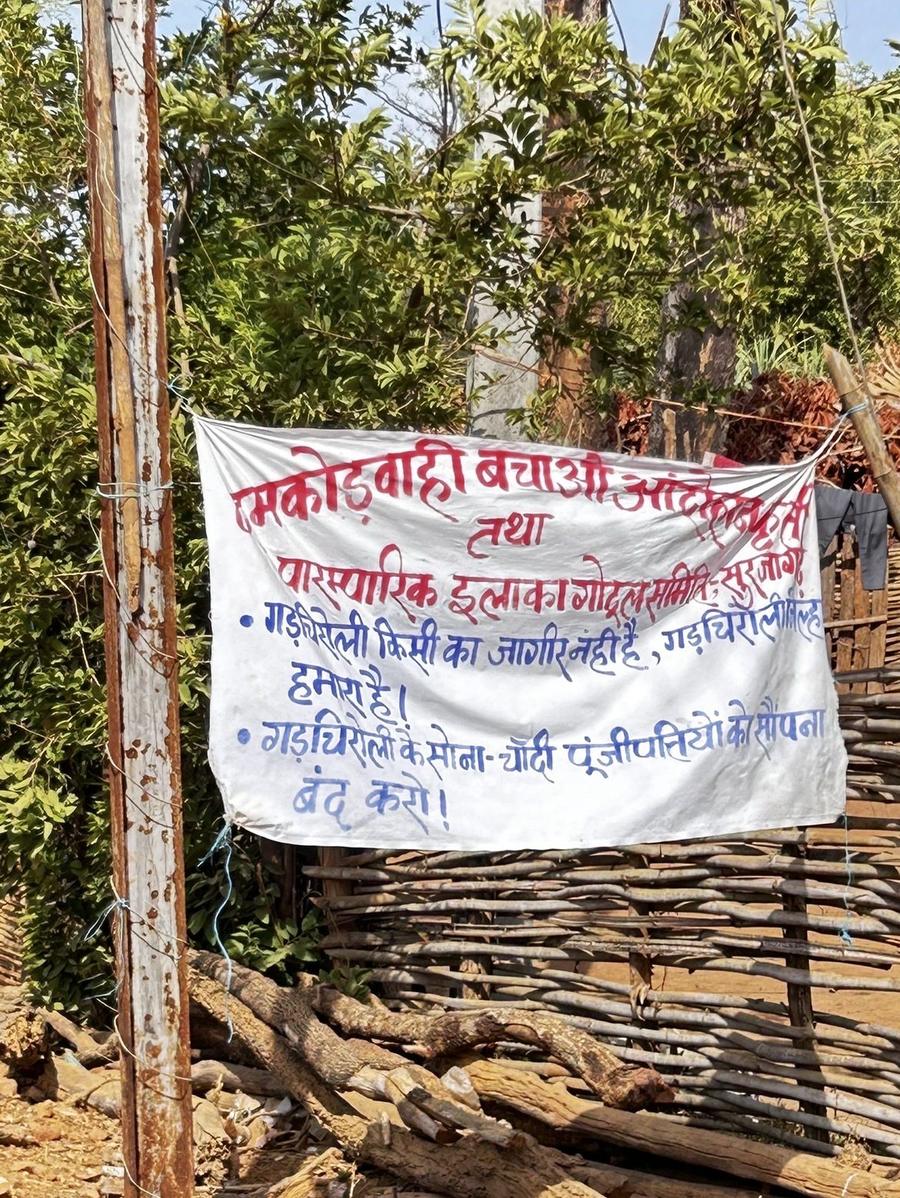
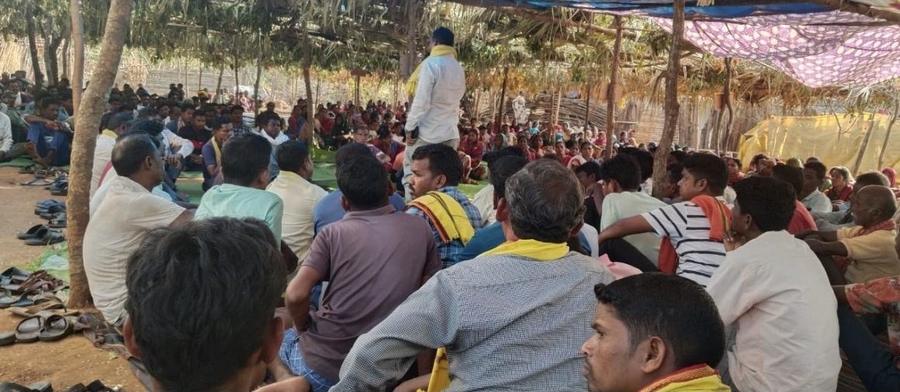
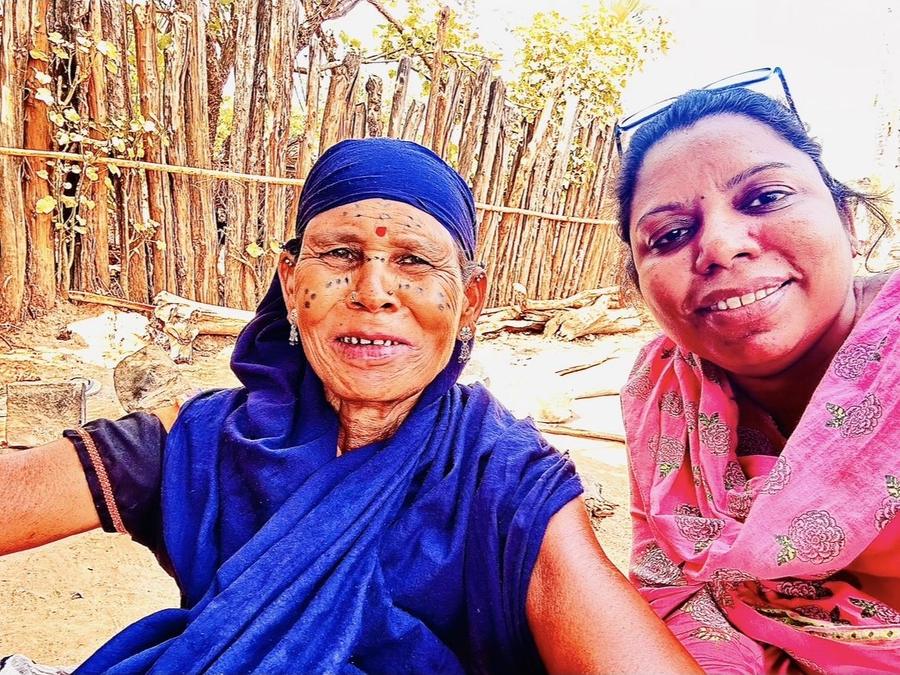
Gadchiroli district is home mainly to the indigenous Madia and Gond communities, yet their quality of life remains far below the national standard. KNF is devoted to making sure every indigenous community receives its due rights — and its due respect.
Culture & Environment
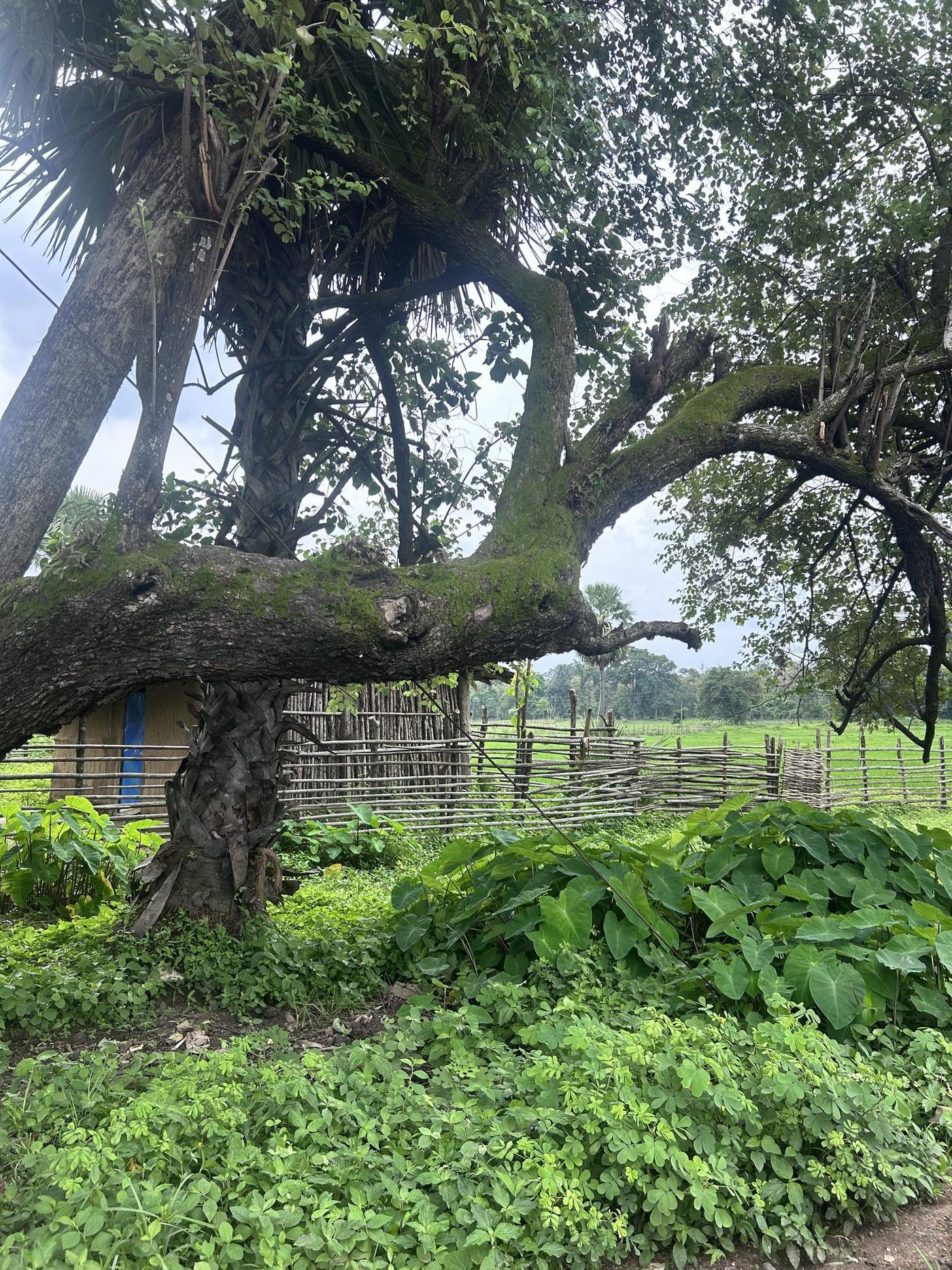
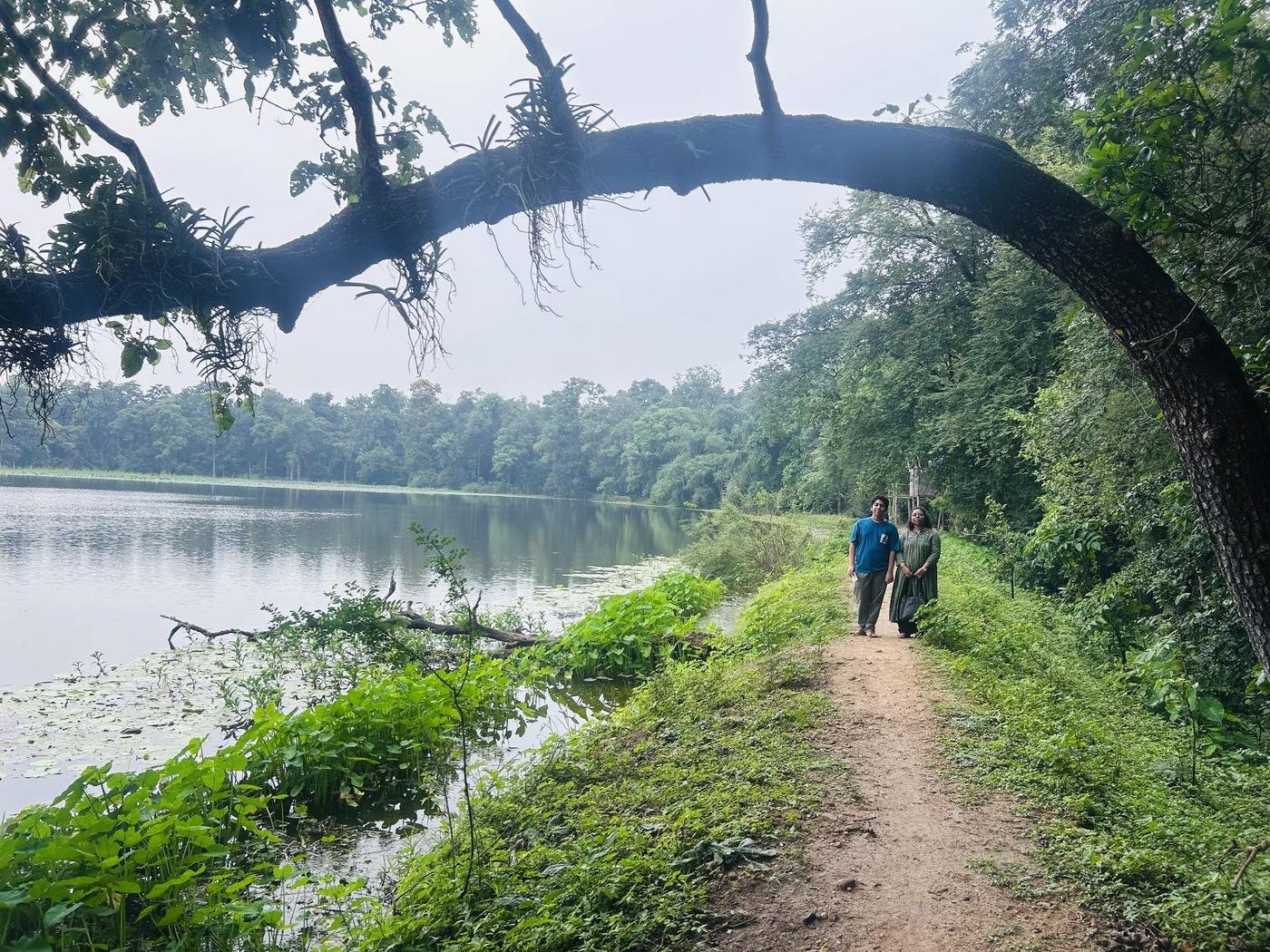
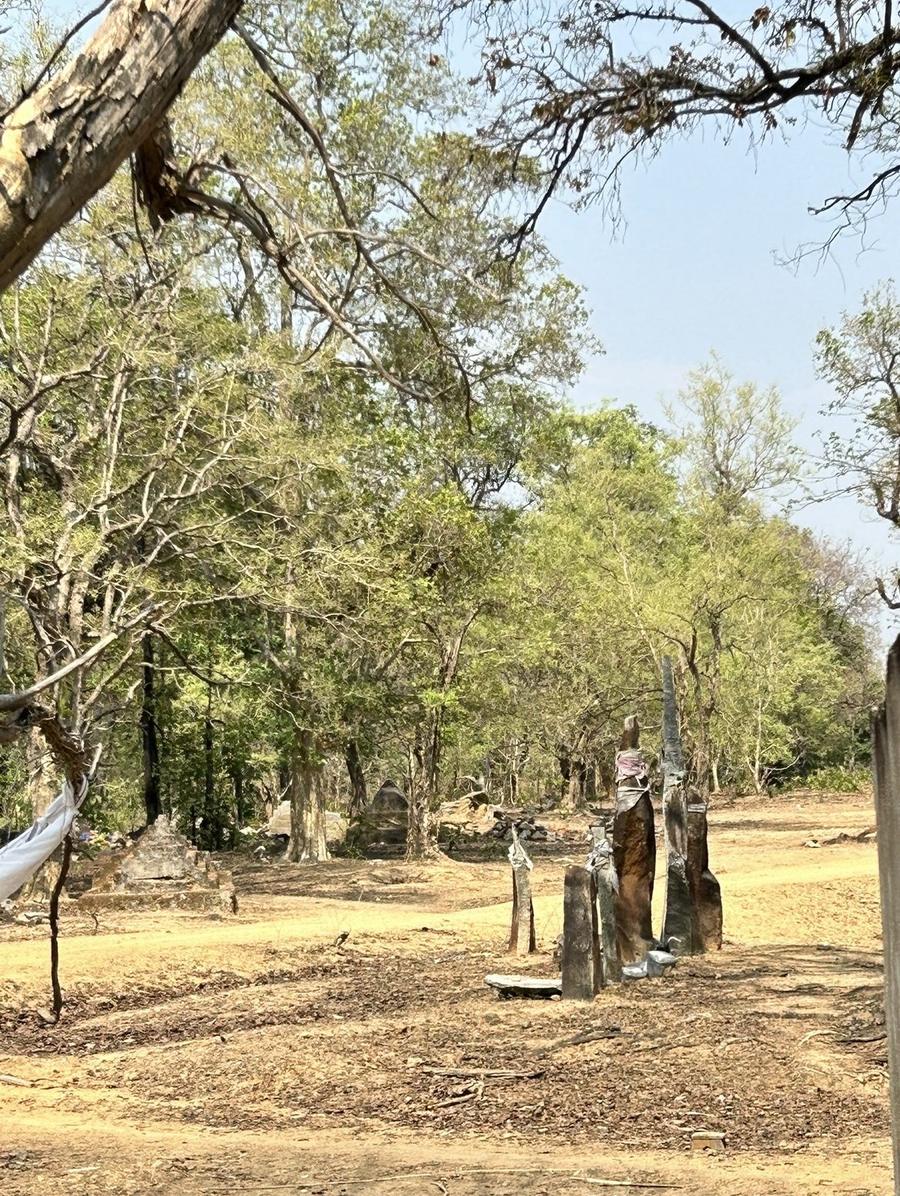
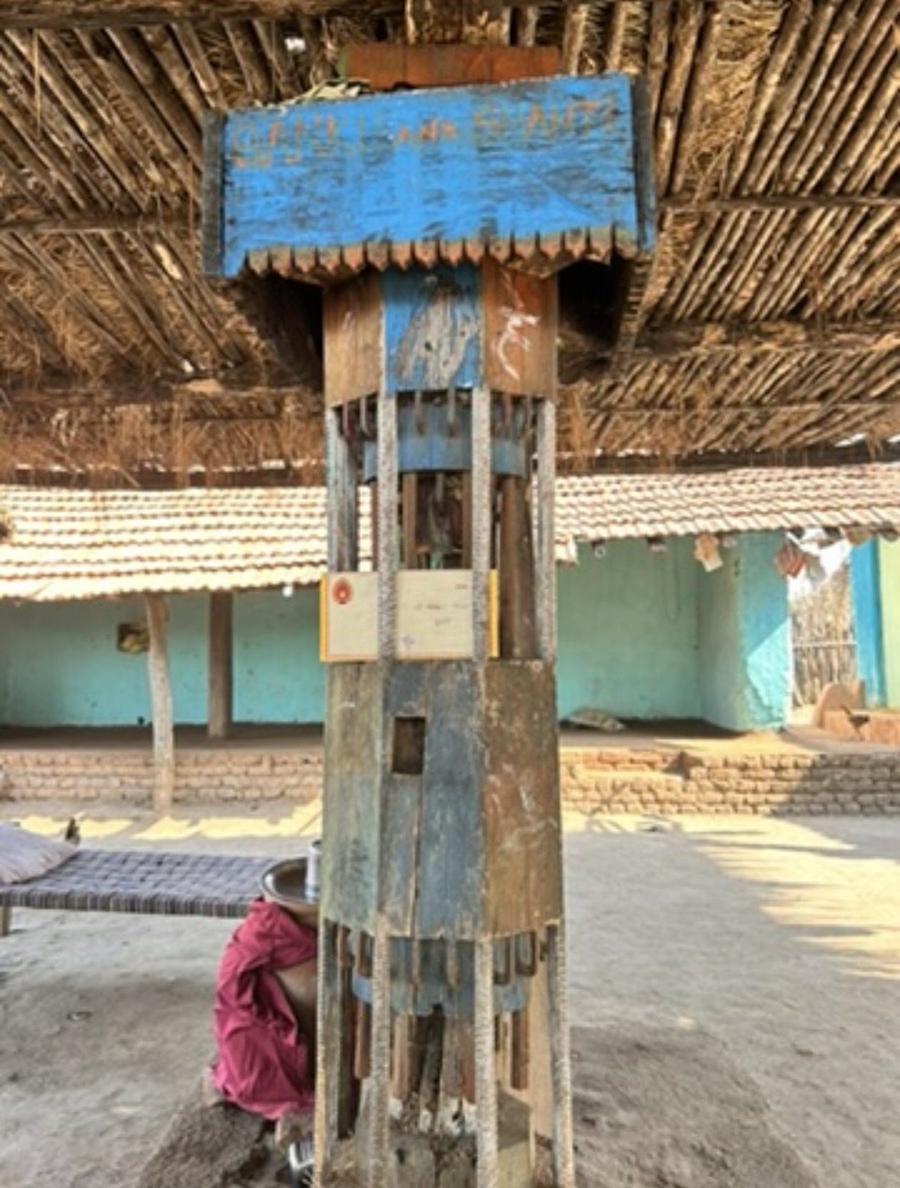
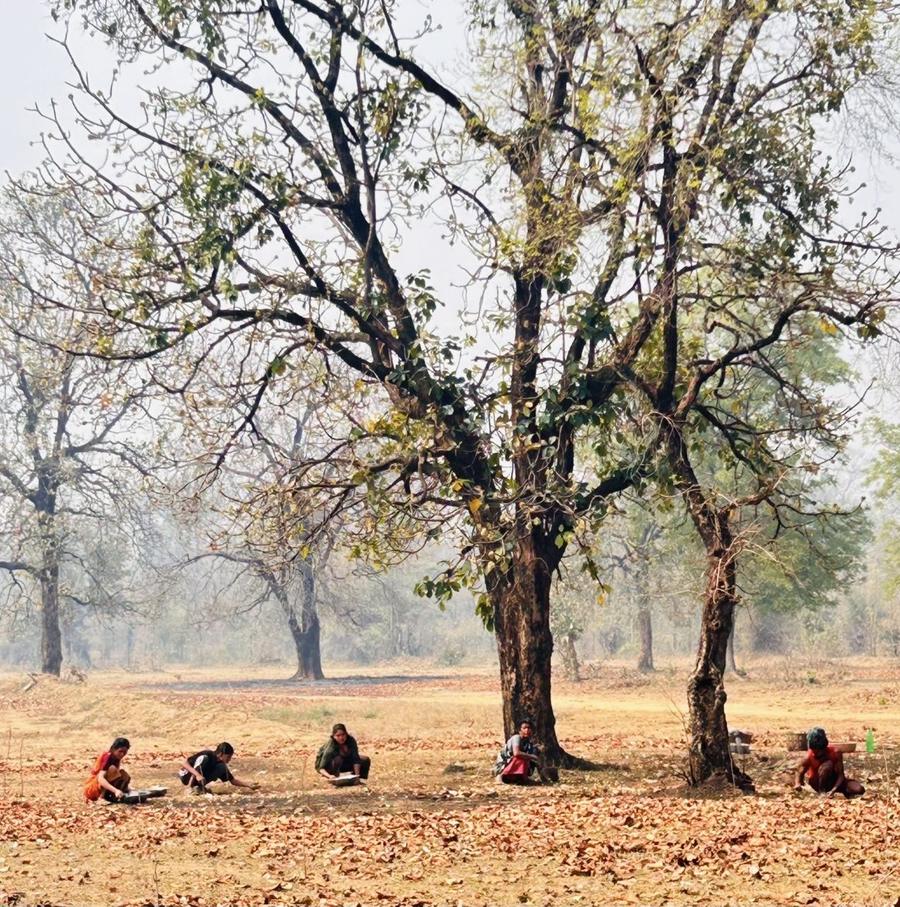
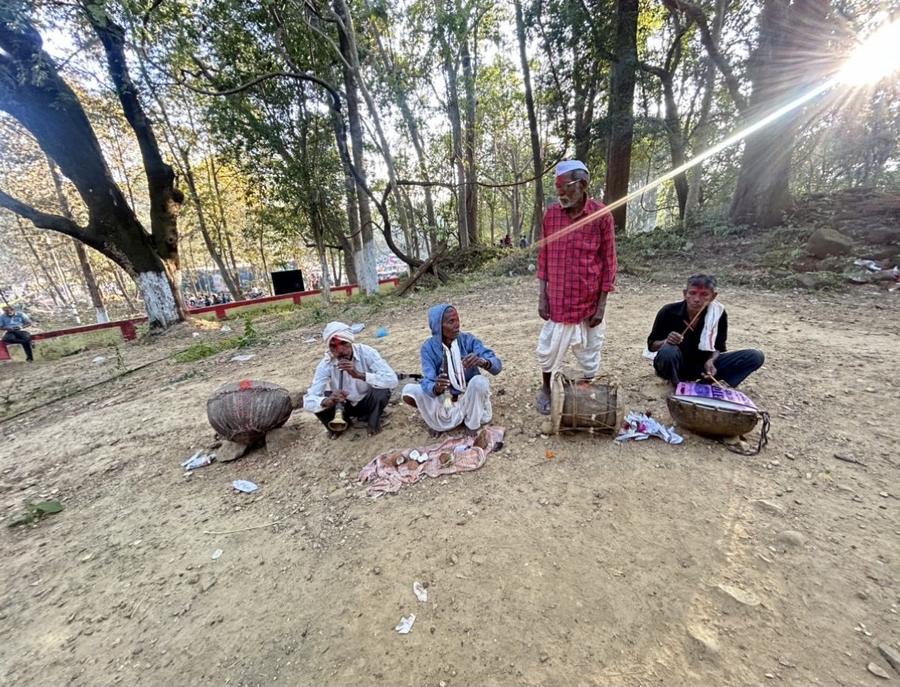
Here, as everywhere in the world, indigenous people protect and conserve the forests — and with them the environment — through their cultural practices and traditional way of life. We want to bring together an awakened indigenous culture and advanced education, for a future that is progressive and sustainable at once.
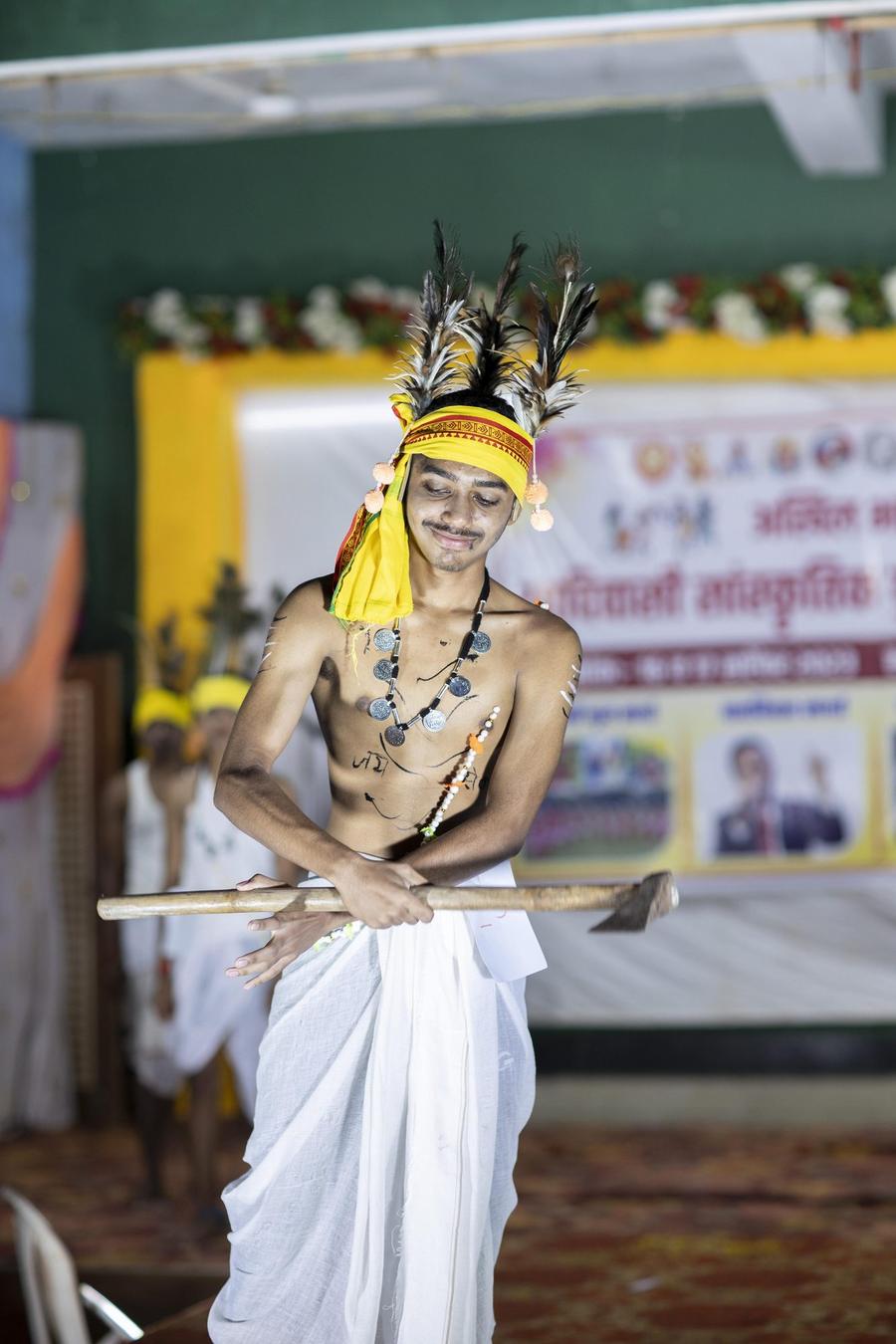
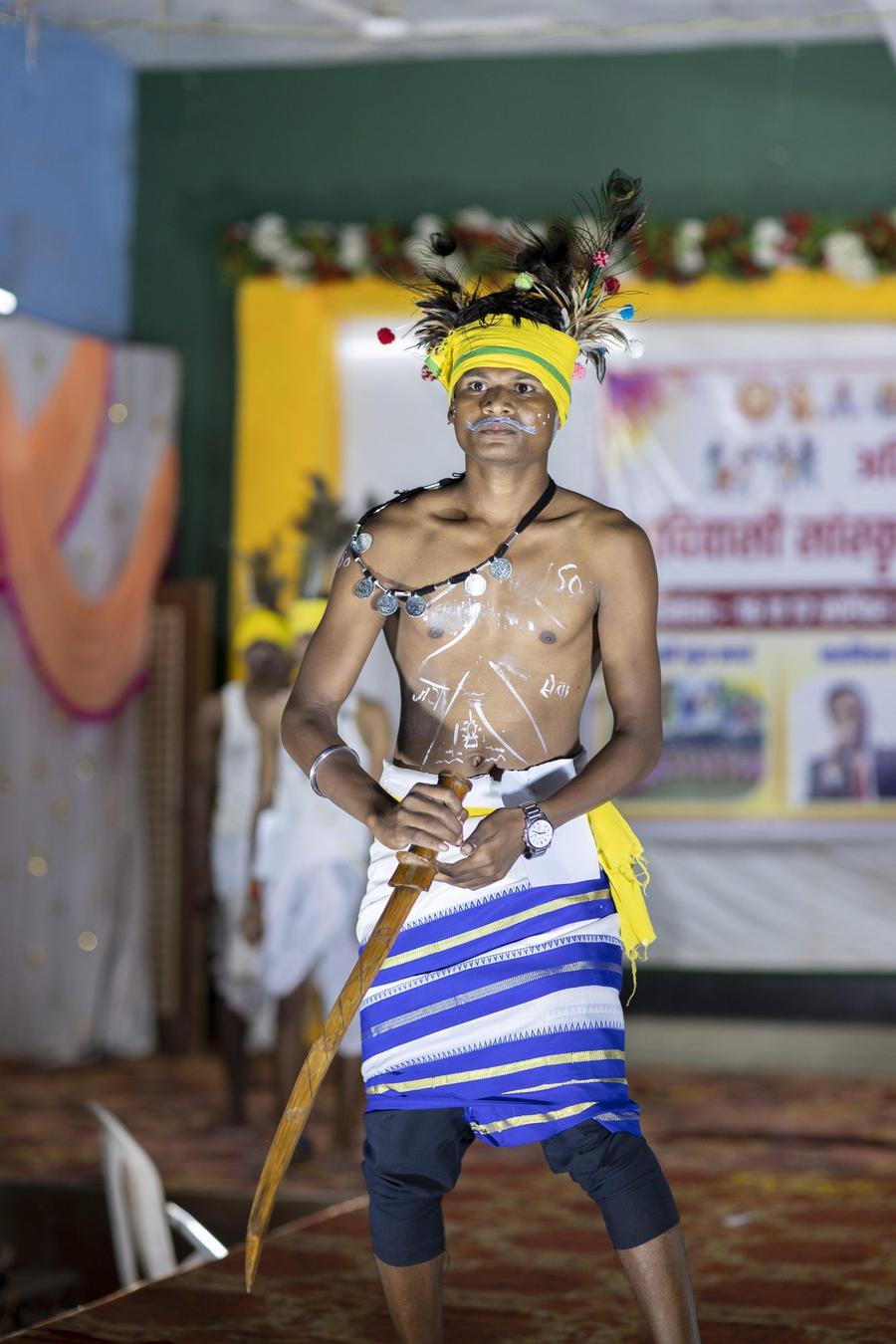
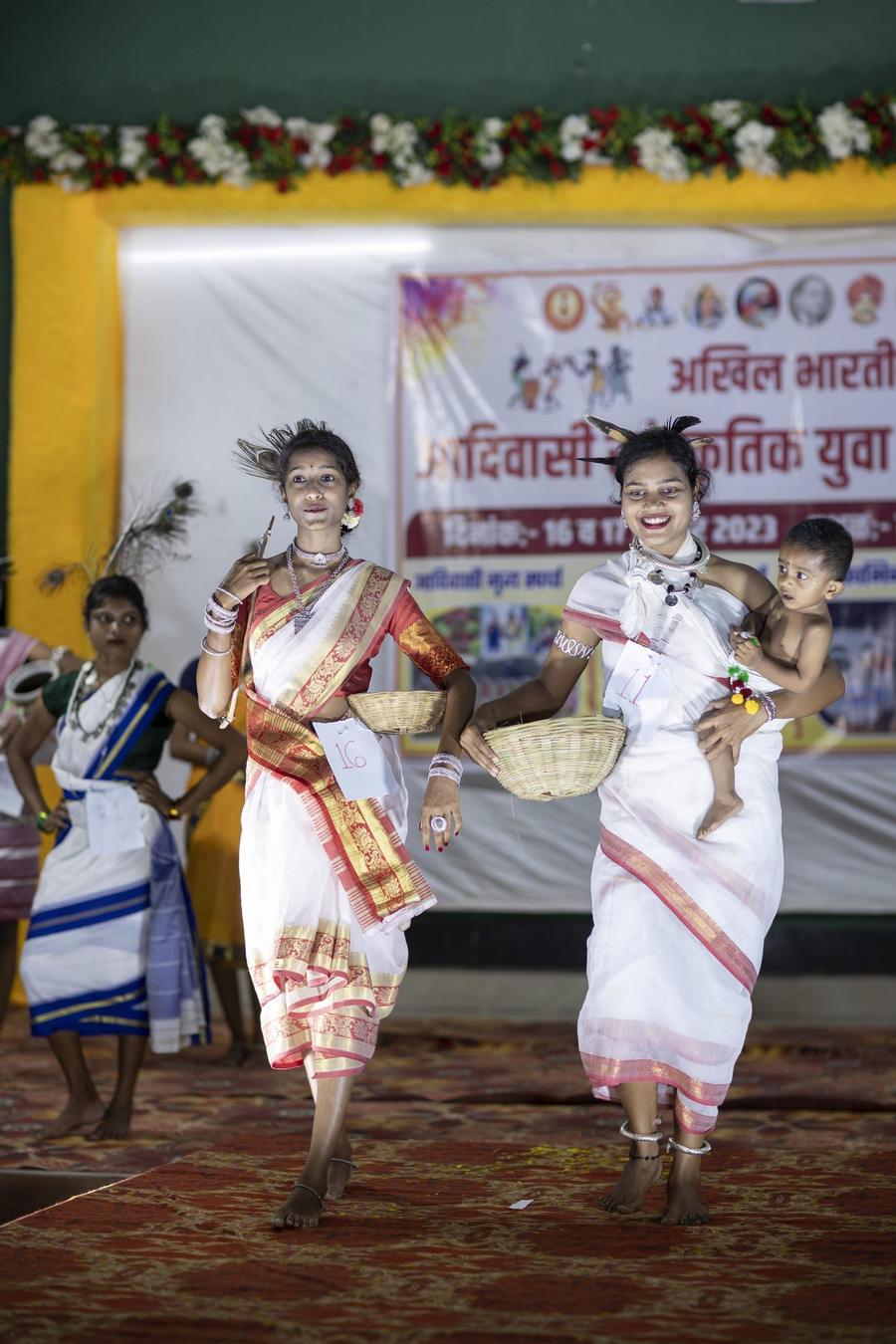
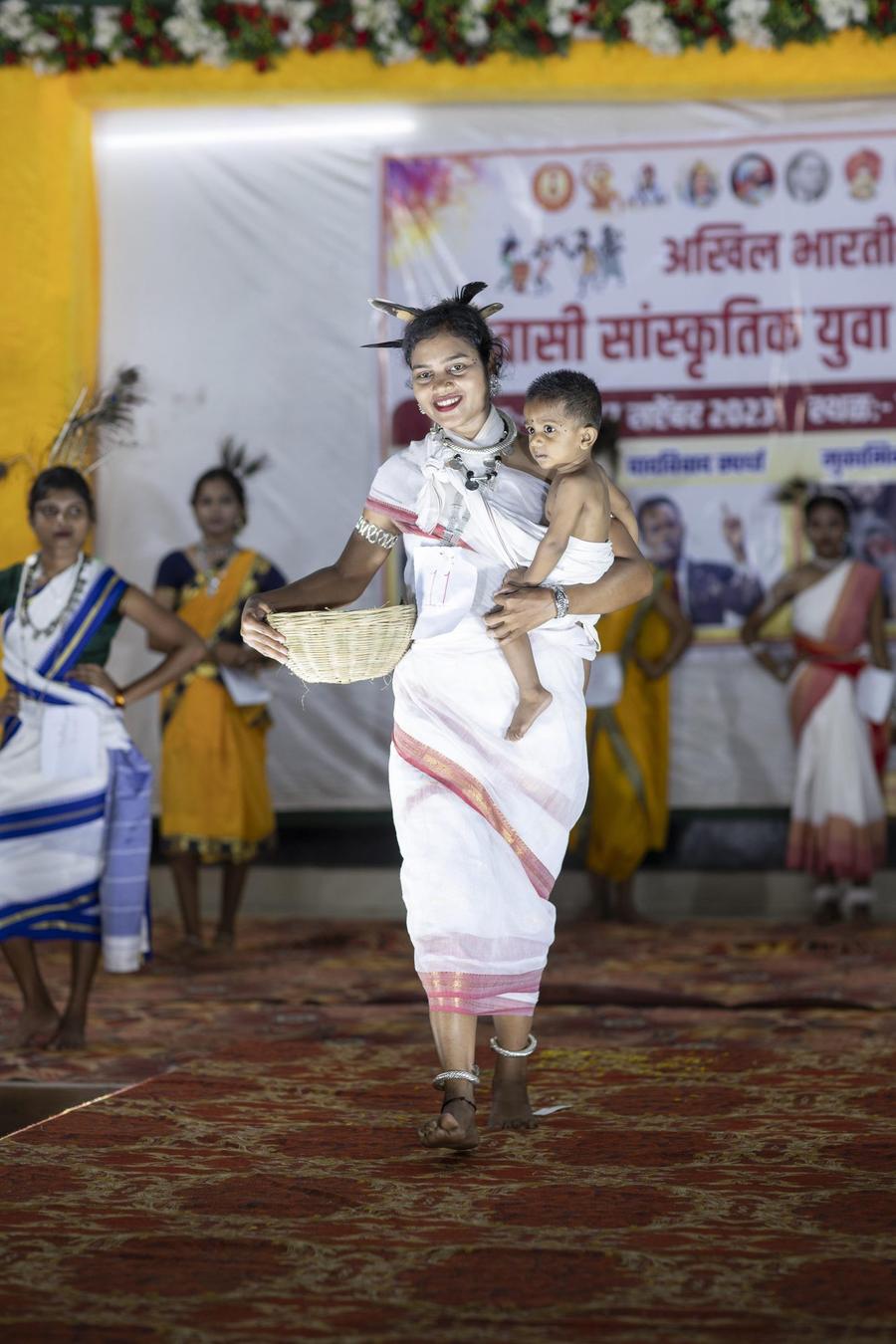
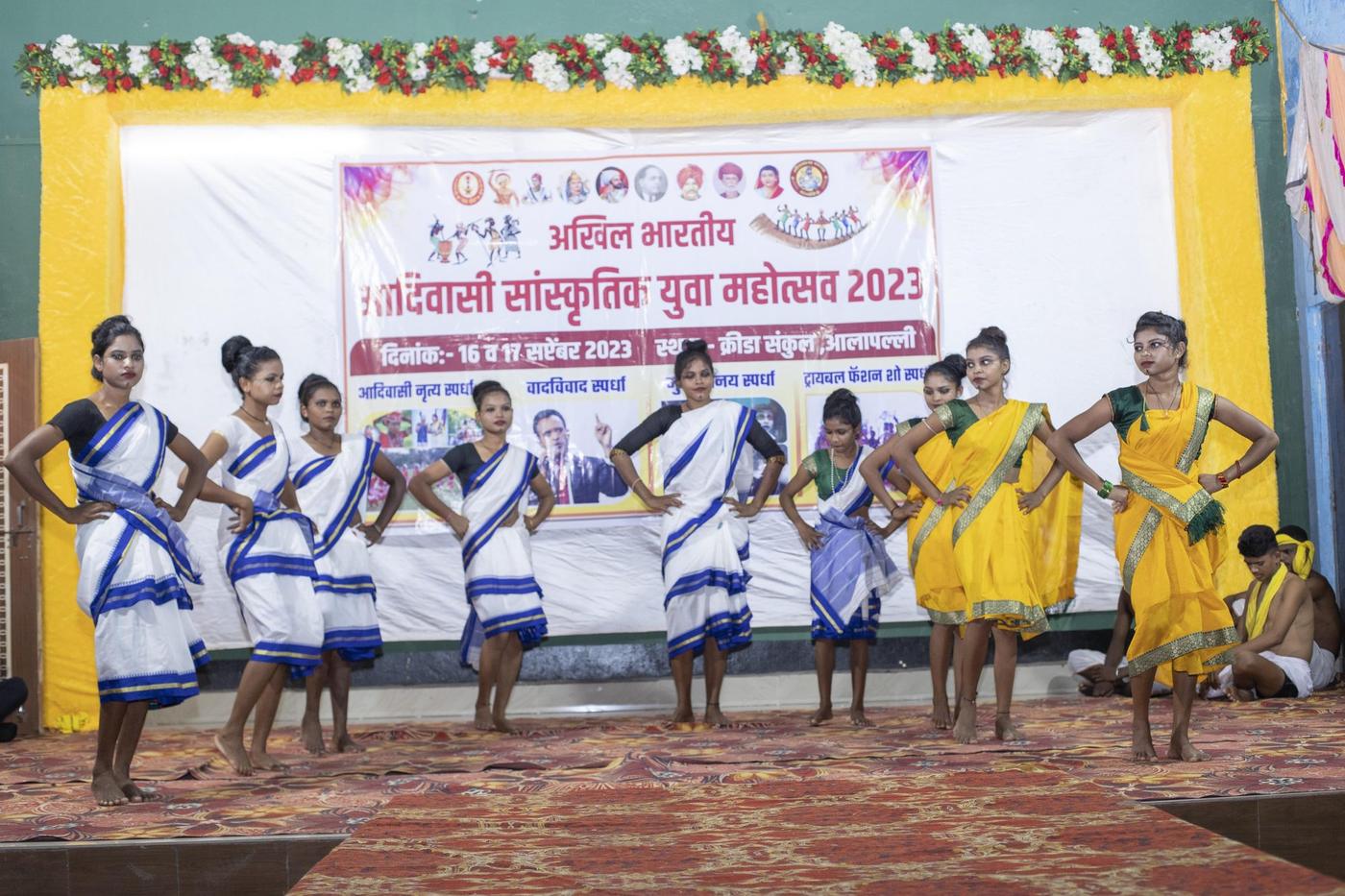
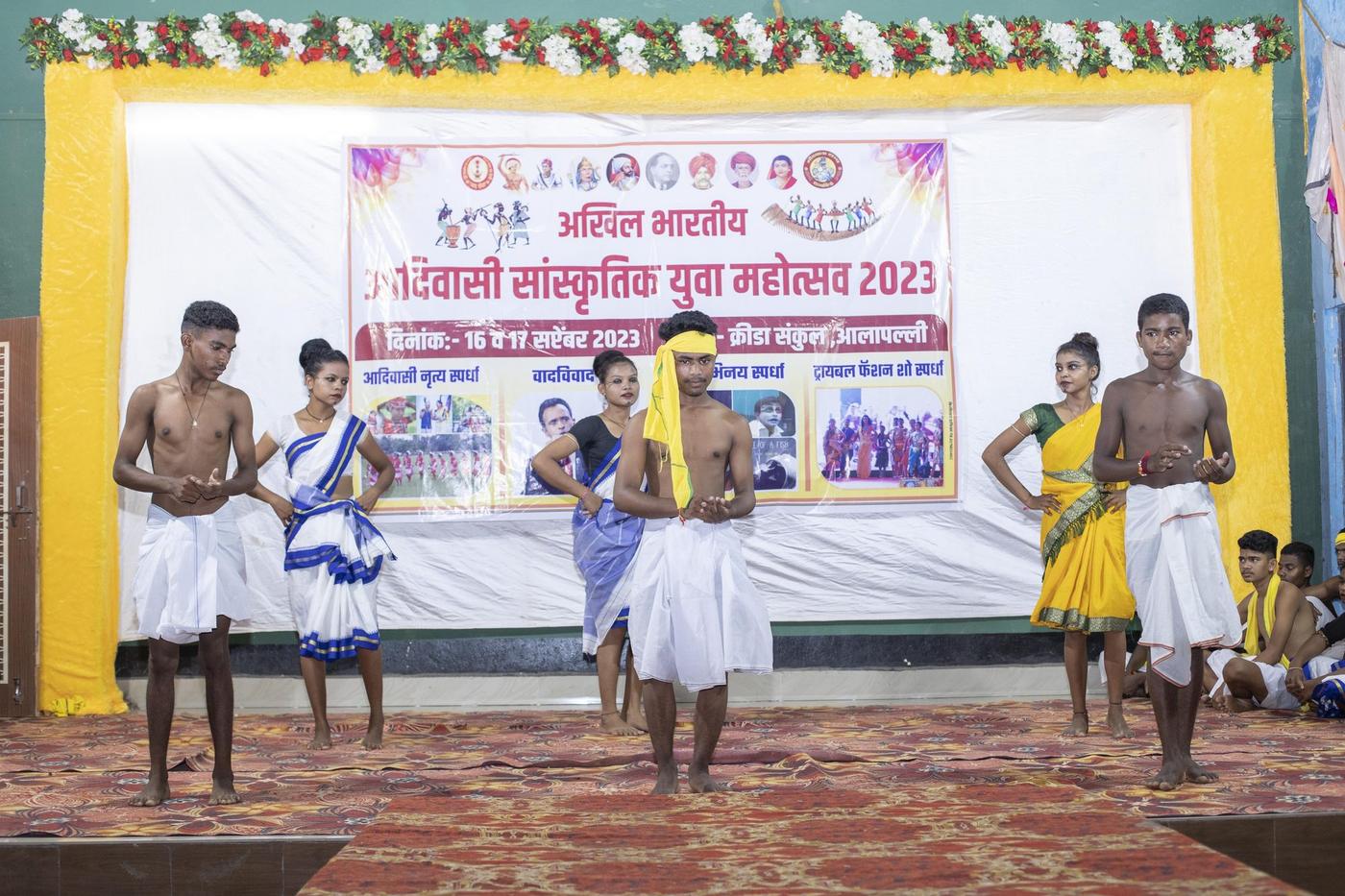
Tribal fashion show
At cultural youth festivals, young people of Gadchiroli present the traditional dress and ornament of the Madia and Gond — heritage worn with pride.
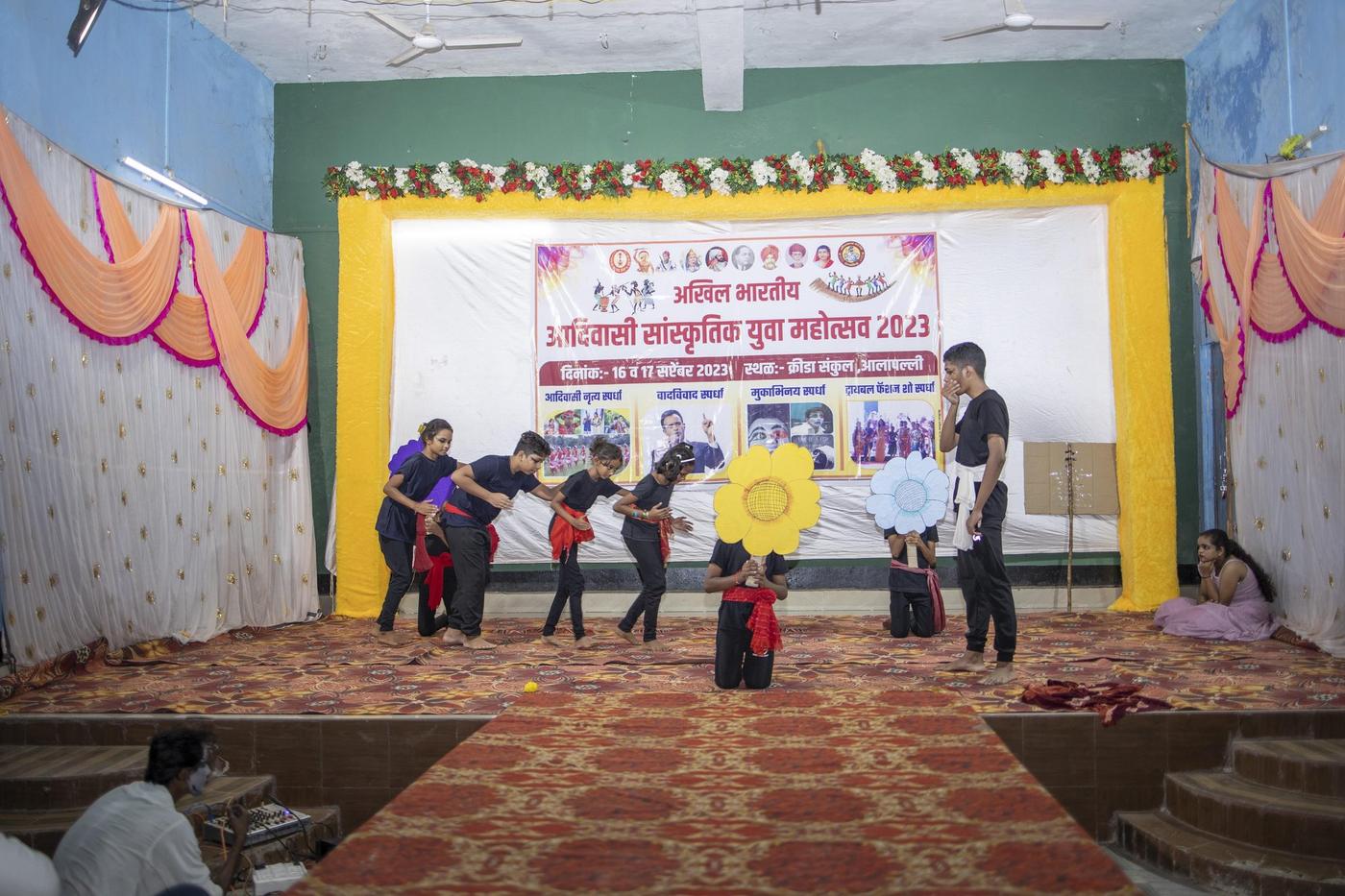
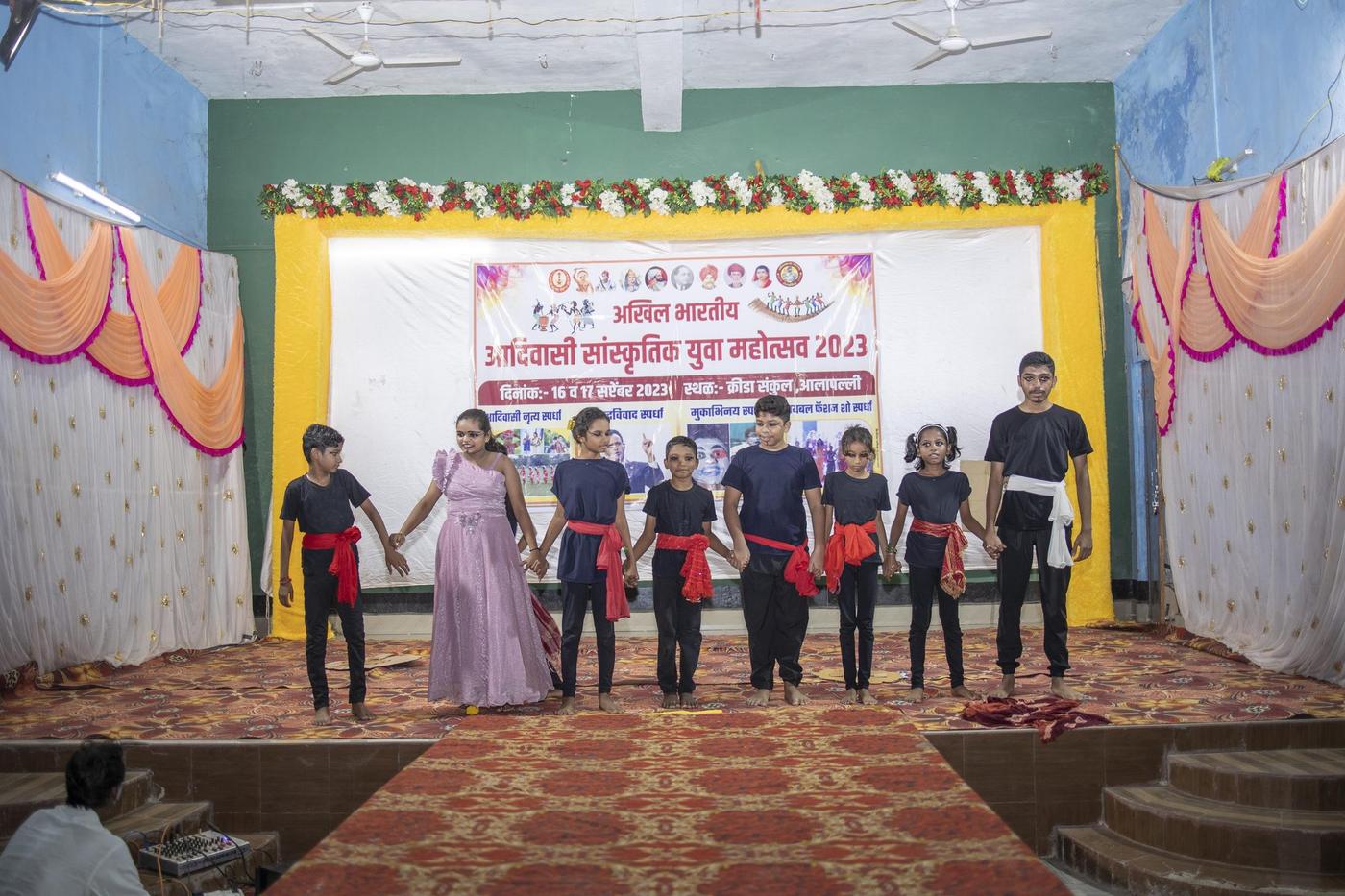
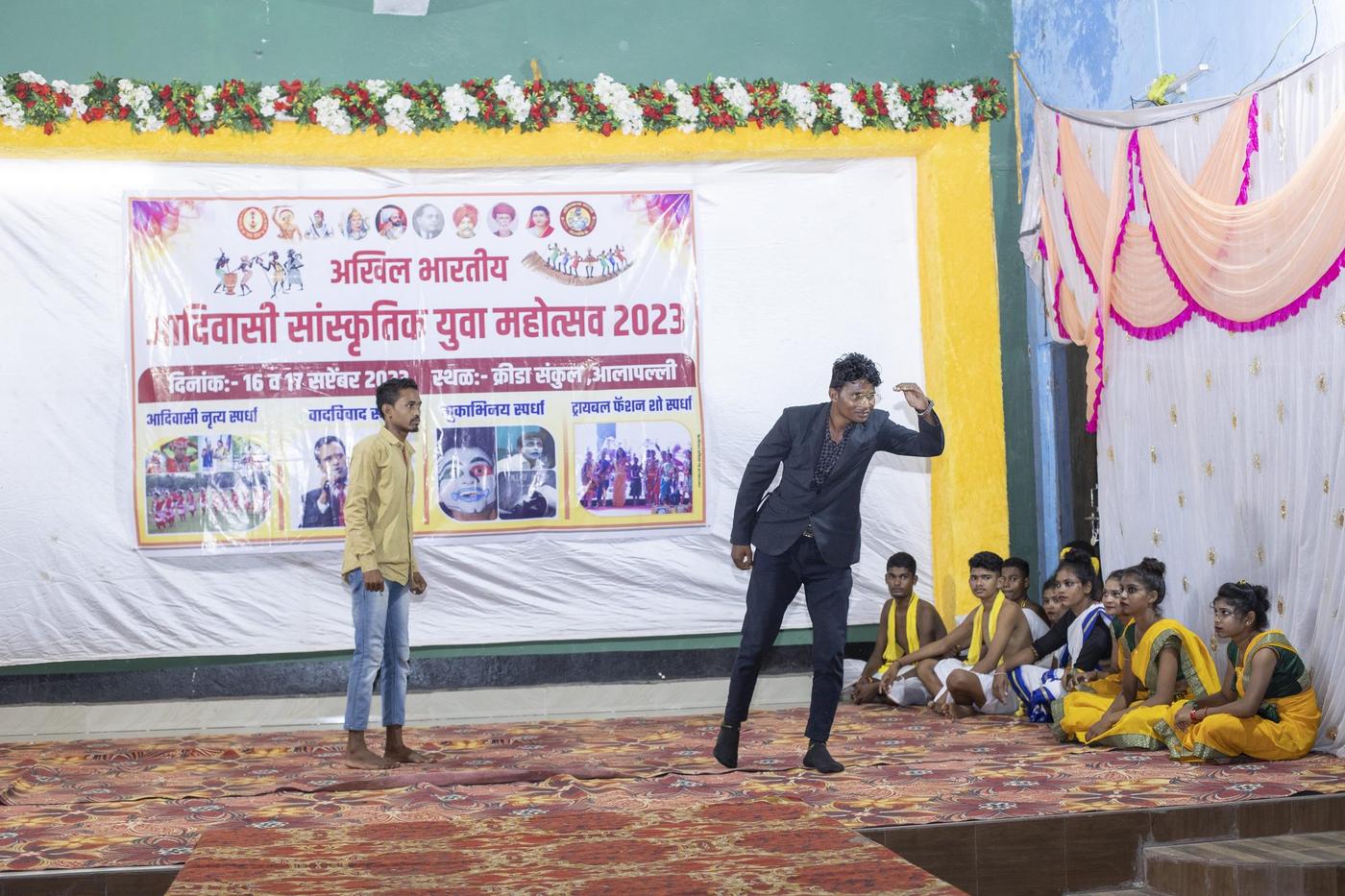
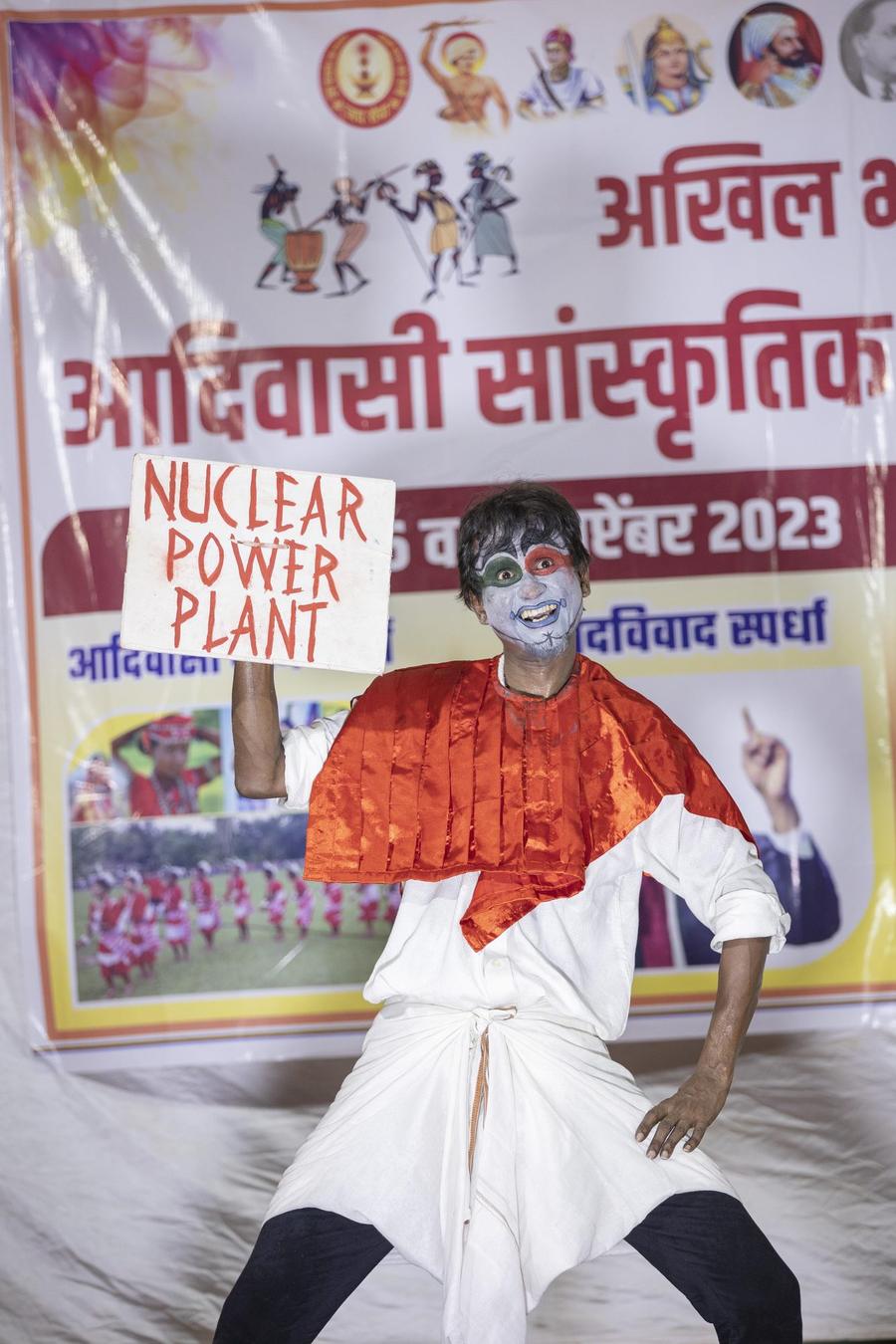
Mime and theatre
In mime and theatre workshops and competitions, children and young people rehearse and perform — folk stories, social questions, wordless plays — finding a stage, and a voice, of their own.
Want to be part of this?
Get Involved